
When you’re exploring early education options, you’re not just looking for a place to drop your child off for a few hours—you’re looking for a setting where your child can grow, explore, and build the foundations for lifelong learning. A part-time preschool in Livermore can offer exactly that balance: structure without overwhelm, learning without pressure, and flexibility that fits real family life.
For many families, full-time preschool isn’t the right fit. Work schedules vary, children develop at different paces, and some parents simply want to ease their child into structured learning gradually. That’s where part-time programs stand out. They give your child meaningful exposure to early education while still preserving time at home for rest, bonding, and independent exploration.
Key Takeaways
- Part-time preschool supports early learning through structured but flexible exposure to education.
- Children build social, emotional, and cognitive skills in shorter, focused sessions.
- Flexible schedules help reduce overwhelm while improving readiness for kindergarten.
- Play-based learning remains central even in part-time programs.
- Parents play a stronger role in reinforcing learning at home.
- Quality part-time programs in Livermore still offer strong curriculum foundations and teacher support.
What Makes Part-Time Preschool In Livermore Different From Full-Time Programs?
When you’re comparing preschool options in Livermore, one of the biggest decisions you face is whether to choose a full-time or part-time schedule. While both options support early learning, they serve slightly different family needs and developmental approaches.
A part-time preschool in Livermore is designed to introduce your child to structured learning in a gradual, age-appropriate way. Instead of long academic days, your child participates in shorter, more focused sessions that prioritize engagement over duration.
This approach works especially well if your child is still adjusting to being away from home or if you want to ease them into a school environment without overwhelming them.
A Slower, More Natural Transition Into School Life
Full-time preschool can sometimes feel like a big leap for younger children. With part-time schedules, your child transitions gradually into group learning. This helps reduce separation anxiety and builds confidence over time.
More Time For Home-Based Development
Part-time preschool also allows more time at home, where learning continues in a different but equally important form. Activities like reading together, outdoor play, and family interaction all reinforce what your child experiences in the classroom.
Better Fit For Flexible Family Schedules
Many families in Livermore balance work-from-home setups, hybrid jobs, or variable childcare needs. Part-time preschool supports this flexibility without sacrificing educational quality.
Flexible Scheduling That Supports Natural Learning Rhythms
One of the biggest strengths of a part-time preschool in Livermore is its flexibility. Young children don’t need long academic days to learn effectively. In fact, shorter, intentional sessions often align better with their attention spans and developmental needs.
Shorter Days Reduce Cognitive Overload
Your child learns best when they are engaged, not exhausted. Part-time schedules typically range from two to four days per week, with half-day sessions that allow children to absorb information without burnout. This pacing helps them stay curious and motivated.
Instead of long hours that can lead to fatigue or frustration, your child experiences learning in manageable blocks. This supports better memory retention and emotional regulation.
Consistency Builds Comfort And Routine
Even though the schedule is lighter, the structure remains consistent. Your child learns what to expect—circle time, play stations, snack time, outdoor play—which helps them feel secure.
Predictability is powerful in early childhood education. When children know what comes next, they feel safe enough to explore and participate more fully.
A Better Balance Between Home And School
Part-time preschool allows your child to experience structured learning while still spending meaningful time at home. That balance is important. Home remains a place for rest, creativity, and family connection, while preschool becomes a place for social growth and guided discovery.
This dual environment strengthens overall development because learning doesn’t feel confined to one space or schedule.
How Part-Time Preschool Builds Strong Cognitive Foundations
Even in shorter sessions, your child is actively building the cognitive skills needed for future academic success. Learning is not about how long your child sits in a classroom—it’s about how effectively their brain is engaged.
Early Brain Development Through Repetition
Young children learn best through repetition. In a part-time preschool setting, key concepts like shapes, colors, numbers, and letters are introduced repeatedly in different ways throughout the week.
Repeated exposure helps strengthen learning and memory as young children develop.
Hands-On Learning Strengthens Understanding
Instead of worksheets or long lectures, your child learns through physical interaction—touching objects, building structures, and participating in guided activities.
This hands-on learning style helps children process information more deeply and naturally.
Problem-Solving Skills Develop Early
When your child plays with puzzles, blocks, or group activities, they are constantly solving small problems. These experiences help develop logical thinking and adaptability, which are essential for future academic learning.
Social And Emotional Development In A Shorter Schedule
Early learning is not just about letters and numbers—it’s about helping your child understand themselves and others. A well-designed part-time preschool program in Livermore places strong emphasis on social and emotional growth.
Learning To Build Relationships Naturally
In a group setting, your child begins to interact with peers in structured and unstructured ways. They learn how to share materials, take turns, and communicate needs.
These early relationships teach empathy and cooperation in a way that cannot be replicated through worksheets or home-only learning.
Managing Emotions In Real Time
Preschool is often the first place where your child experiences small conflicts or frustrations outside the home. Maybe another child takes a toy, or a group activity doesn’t go as expected.
With teacher guidance, your child learns how to express feelings, calm down, and try again. These moments build emotional resilience, which becomes essential in kindergarten and beyond.
Confidence Through Small Wins
Part-time programs are designed to give children frequent opportunities for success. Whether it’s finishing a puzzle, participating in circle time, or cleaning up independently, each achievement builds confidence.
That confidence carries over into other areas of learning, helping your child feel capable and ready to take on new challenges.
The Role Of Routine In Early Childhood Development
Routine is one of the most powerful tools in early childhood education. A well-structured part-time preschool in Livermore uses predictable daily patterns to help your child feel safe and confident.
Predictability Reduces Anxiety
When your child knows what to expect—such as circle time, snack time, and outdoor play—they feel more secure in their environment. This emotional stability allows them to focus more on learning and interaction.
Routines Build Independence
Simple daily routines like washing hands, putting away toys, and lining up teach your child responsibility. Over time, these small habits build independence and self-confidence.
Smooth Transitions Between Activities
Teachers guide children through transitions gently, helping them move from one activity to another without stress. This skill is important because transitions are often challenging for young children.
Building School Readiness Without Pressure
A major goal of any part-time preschool in Livermore is to prepare your child for kindergarten, but without rushing their development. Readiness is about more than academics—it’s about independence, focus, and adaptability.
Early Literacy And Numeracy Exposure
Your child is introduced to foundational concepts like letters, sounds, counting, and patterns in a playful, hands-on way. This is not formal instruction in the traditional sense. Instead, learning is embedded in stories, songs, and games.
This approach helps your child associate learning with enjoyment rather than pressure.
Developing Independence Skills
Simple routines like putting on a backpack, washing hands, or cleaning up toys may seem small, but they are essential for school readiness.
In a part-time preschool setting, your child practices these routines repeatedly, building independence step by step. By the time kindergarten arrives, they are more confident managing daily tasks on their own.
Strengthening Attention And Listening Skills
Short group activities help your child gradually build attention span. Listening to a story, following instructions, or participating in group discussions becomes easier over time.
Because sessions are not overly long, your child can stay engaged without becoming overwhelmed, which supports better long-term focus development.
Play-Based Curriculum That Encourages Deep Learning
A strong part-time preschool program in Livermore does not rely on rigid academics. Instead, it uses play as the foundation for learning.
Learning Through Exploration
Your child learns best when they can touch, move, build, and experiment. Play-based environments encourage exploration through blocks, art, sensory tables, and imaginative play.
These activities naturally introduce scientific thinking, problem-solving, and creativity.
Language Development Through Interaction
Children develop language skills by talking, listening, and storytelling during play. Whether they are pretending in a kitchen corner or building with friends, conversation happens naturally.
Teachers gently guide these interactions, expanding vocabulary and encouraging communication.
Cognitive Growth Through Problem-Solving
Play often involves small challenges—building a tower that doesn’t fall, figuring out how to share materials, or completing a group task.
These experiences strengthen critical thinking skills in a way that feels natural and enjoyable, not forced or structured like formal academics.
How Teachers Support Individual Learning Styles
Every child learns differently. Some children are visual learners, others learn through movement, and some learn best through listening and repetition. A strong part-time preschool program recognizes these differences.
Observation-Based Teaching
Teachers spend time observing how your child interacts with materials and peers. This helps them adjust activities to match your child’s learning style.
Personalized Encouragement
Instead of a one-size-fits-all approach, teachers provide encouragement based on your child’s needs. A shy child may receive gentle prompting, while a more outgoing child may be guided toward teamwork skills.
Early Identification Of Strengths
Teachers can often identify early strengths or challenges in communication, motor skills, or social behavior. Early awareness allows for better support and development over time.
Teacher Support And Classroom Relationships
Teachers play a central role in shaping your child’s early learning experience. In a part-time preschool environment, their influence is focused, intentional, and highly personalized.
Strong Teacher-Child Connections
Because children attend fewer hours, teachers often have more meaningful interactions with each child. They observe behavior closely, respond to emotional needs, and guide learning moments in real time.
This connection builds trust, which is essential for early development.
Individual Attention In Small Groups
Part-time preschool classrooms are often structured with smaller group sizes. This allows teachers to notice each child’s strengths, challenges, and learning style.
Your child benefits from more targeted support, whether they need help with social interaction, communication, or basic academic concepts.
Encouragement Without Pressure
Teachers in quality programs understand that early learning should never feel forced. Instead, they encourage participation, celebrate progress, and gently guide children through challenges.
This supportive approach helps your child develop a positive relationship with learning from the very beginning.
Parent Involvement And Smooth Transitions To Kindergarten
One of the most overlooked advantages of a part-time preschool in Livermore is how it strengthens the connection between home and school.
More Opportunities For Parent Engagement
Because your child spends part of their week at home, you naturally stay more involved in their learning process. You see what they are learning, reinforce skills, and communicate regularly with teachers.
This collaboration creates consistency, which is key to early childhood development.
Reinforcing Learning At Home
When preschool concepts are introduced in shorter sessions, parents can easily reinforce them at home. Simple activities like reading together, practicing counting during meals, or discussing the day’s events strengthen retention.
This shared learning experience deepens understanding and builds stronger cognitive connections.
Easier Transition Into Full-Time Schooling
Children who begin with part-time preschool often transition more smoothly into kindergarten. They are already familiar with classroom routines, peer interactions, and teacher guidance, but they haven’t been overwhelmed by long academic days.
This gradual exposure reduces anxiety and helps your child feel more prepared for the next step in their education journey.
Why Play-Based Learning Works Best For Young Children
Play is not just recreation—it is the primary way young children learn about the world. A high-quality part-time preschool in Livermore uses play as the foundation for all learning experiences.
Imaginative Play Builds Communication Skills
When your child engages in pretend play, they practice storytelling, vocabulary, and conversation. Whether they are pretending to run a store or cooking in a play kitchen, language development happens naturally.
Sensory Play Strengthens Brain Development
Activities like sand tables, water play, and clay modeling stimulate sensory exploration. These experiences strengthen brain pathways connected to creativity and problem-solving.
Group Play Teaches Cooperation
Playing with others teaches essential social skills such as sharing, negotiating, and resolving conflicts. These skills are critical for success in kindergarten and beyond.
What A Typical Day Looks Like In A Part-Time Preschool
To better understand how learning happens, it helps to imagine what a typical part-time preschool day might look like in Livermore.
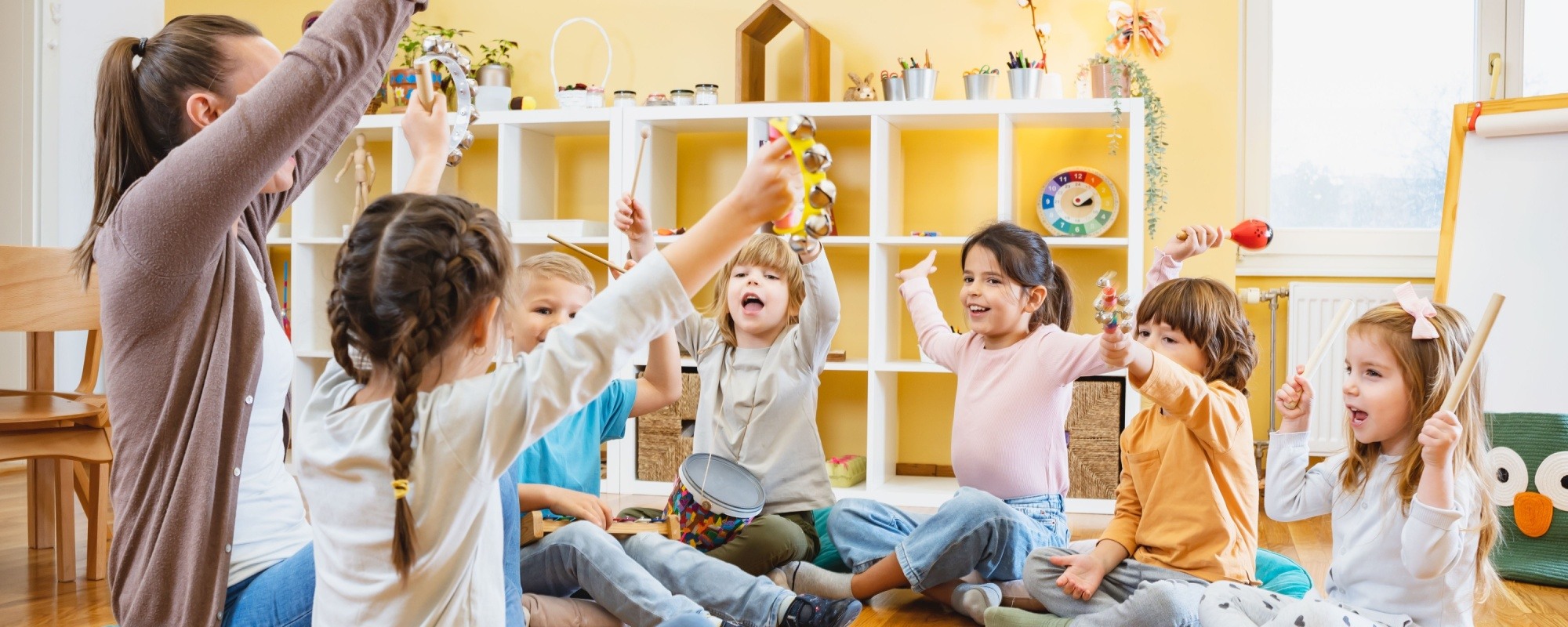
The day usually begins with a warm welcome and free play, allowing your child to settle into the environment. This is followed by circle time, where teachers introduce themes such as weather, numbers, or stories.
After that, children rotate through learning stations, including art, building blocks, and sensory activities. Snack time provides a break for social interaction, followed by outdoor play where children develop physical coordination and teamwork skills.
The day ends with a closing circle where children reflect on what they learned and prepare for dismissal. This predictable structure helps reinforce both learning and emotional stability.
How To Choose The Right Part-Time Preschool In Livermore
Choosing the right part-time preschool in Livermore is not just about availability—it’s about finding a program that matches your child’s personality, learning style, and emotional needs. Since early childhood is a sensitive developmental stage, the environment you choose plays a major role in how your child experiences learning.
Look At Teacher Interaction Style
One of the most important factors is how teachers interact with children. You want to observe whether teachers are warm, attentive, and responsive. In high-quality part-time programs, teachers do more than supervise—they actively guide, encourage, and support each child’s development.
If teachers are engaged and consistently on the child’s level, your child is more likely to feel safe and confident in the classroom.
Evaluate Classroom Structure And Flow
A strong preschool program should have a balanced structure that includes both guided learning and free play. You should look for classrooms that feel organized but not rigid.
Children at this age need freedom to explore, but also gentle structure to help them build routines. The right balance supports both creativity and discipline.
Consider Your Child’s Comfort And Readiness
Not every child adjusts to preschool at the same pace. Some children are naturally social and adapt quickly, while others need more time. A part-time schedule gives you flexibility to match your child’s comfort level.
If your child seems overwhelmed in long group settings, a part-time program may offer the smoother transition they need.
Conclusion
A part-time preschool in Livermore offers a thoughtful, balanced approach to early education. It respects your child’s developmental needs while giving them structured opportunities to learn, grow, and connect with others.
Through flexible scheduling, play-based learning, strong teacher support, and meaningful social experiences, your child builds the foundation for lifelong learning without pressure or overwhelm.
For families seeking both quality and flexibility, part-time preschool is not a compromise—it’s a strategic choice that supports healthy early development while fitting into real-life family rhythms.
Frequently Asked Questions
1. At What Age Is It Best To Start Part-Time Preschool?
Most children begin between the ages of 2.5 and 4, depending on readiness and developmental milestones.
2. Will My Child Fall Behind In A Part-Time Preschool Program?
No. Part-time programs are designed to meet early learning standards through focused, high-quality instruction.
3. How Many Days Per Week Is Typical For Part-Time Preschool?
Most programs offer 2–4 days per week, with half-day schedules being the most common.
4. Does Part-Time Preschool Include Academic Learning?
Yes, but it is introduced through play-based methods rather than formal instruction.
5. How Does Part-Time Preschool Help With Social Skills?
Children interact with peers daily, learning sharing, cooperation, communication, and emotional regulation.
6. Can I Combine Part-Time Preschool With Home Learning?
Absolutely. Many families reinforce preschool concepts at home for stronger learning outcomes.
7. Is Part-Time Preschool Enough To Prepare For Kindergarten?
Yes. When combined with consistent attendance and supportive home reinforcement, it provides strong kindergarten readiness.
Where Independence Begins: Montessori Toddler Care In Livermore
The toddler years move fast, and they matter more than most parents realize. This is when language takes off, independence begins to form, and confidence grows. At Fountainhead Montessori, our Montessori toddler care program in Livermore is designed to support your child's growth in a way that feels natural, calm, and exciting.
Here, toddlers don’t just “stay busy.” They choose activities, build real skills, and start communicating in meaningful ways. With early exposure to Spanish and Mandarin, plus hands-on sensory learning, your child is constantly developing, often in ways you’ll notice at home within weeks.
You’ll see it in the small moments. Cleaning up independently. Using new words. Focusing longer. Smiling with pride after completing something on their own.
Our Livermore campus offers toddler through preschool programs, along with before and after-care options that make life easier for busy families. And once you step into the classroom, you’ll understand right away why families choose Fountainhead Montessori.
Ready to see it for yourself? Schedule a tour, download our parent guide, or take a look at our clear, upfront tuition.
Schedule a Tour | Download Our Parent Guide | View Tuition
Disclaimer:
This article is intended for informational purposes only and provides general guidance regarding part-time preschool options in Livermore. It is not intended to serve as professional educational, developmental, medical, or legal advice. Preschool programs, schedules, availability, experiences, and offerings may vary among schools and providers. Families are encouraged to visit local preschools, speak directly with administrators, and evaluate programs based on their child's individual needs, personality, and circumstances before making enrollment decisions.




Let us know what you think about this post
Put your Comment Below: