
If you’re living in Livermore and exploring early education options, you may be wondering whether a part-time preschool is the right fit for your child and your family’s routine. Not every family needs—or wants—a full-day, full-week preschool schedule. In fact, more parents today are actively searching for flexible early learning programs that support development while still allowing time at home.
A part-time preschool in Livermore can give you the best of both worlds: structured early education and the freedom to maintain your preferred family rhythm. Whether you’re a working parent with a flexible schedule, a stay-at-home parent looking for socialization opportunities for your child, or someone transitioning your child slowly into school life, part-time enrollment can be a smart, intentional choice.
Key Takeaways
- Part-time preschool offers flexibility without sacrificing the quality of early learning.
- Children still gain essential social, emotional, and cognitive development
- Families can reduce stress, costs, and scheduling pressure
- A gradual school introduction helps ease separation anxiety
- Livermore families benefit from community-centered early education options
Why Livermore Families Are Choosing Part-Time Preschool
Choosing a preschool schedule is rarely just about finding childcare—it is about finding an option that fits your family's daily life. In Livermore, every household has different priorities. Some parents work flexible or hybrid schedules, while others want their child to experience early learning before starting kindergarten. A part-time preschool program gives families room to balance education with time at home.
For some children, attending preschool a few days each week is enough to build confidence, establish routines, and develop social skills without making the transition to school feel overwhelming. At the same time, parents can maintain work schedules, family commitments, or quality time together.
This combination of flexibility and purposeful learning is one reason many Livermore families consider part-time preschool an excellent first step into early education.
Why Part-Time Preschool Works For Modern Families In Livermore
Flexible Scheduling That Fits Real Life
Your daily routine doesn’t always revolve around a full school schedule—and that’s exactly where part-time preschool shines. Many Livermore families balance commuting, hybrid work, caregiving responsibilities, and multiple children with different needs. A part-time preschool schedule allows you to choose what works best, whether that’s two, three, or fewer days per week.
This flexibility helps you maintain balance at home while still giving your child structured learning experiences. You’re not locked into a rigid routine that may not fit your lifestyle.
In practical terms, flexibility also means you can adjust your week based on real-life demands such as appointments, travel, work deadlines, or family needs. Instead of reshaping your entire schedule around preschool, the program adapts to you.
Some Livermore families also use part-time preschool strategically, such as:
- Attending only morning sessions to preserve nap time at home
- Choosing specific weekdays based on work-from-home days
- Coordinating schedules with older siblings’ school hours
This flexibility reduces stress and helps you maintain a more balanced household rhythm.
A Smoother Transition Into Structured Learning
For many children, jumping straight into full-time school can feel overwhelming. Part-time preschool gives your child time to adjust gradually. You’re helping them learn routines—like circle time, group play, snack time, and guided activities—without overwhelming them with long days right away.
This step-by-step transition helps your child build confidence in a learning environment while still feeling secure in their home routine.
Strong Developmental Outcomes In Fewer Hours
It's easy to assume that spending fewer hours in preschool means fewer learning opportunities, but quality matters far more than time alone. A thoughtfully planned part-time program introduces children to age-appropriate activities that support language development, early math concepts, creativity, and social interaction.
Rather than rushing through lessons, teachers focus on engaging children through stories, conversations, games, art projects, and hands-on exploration. These experiences encourage children to stay curious while building foundational skills that prepare them for future learning.
Even a few mornings or afternoons each week can make a meaningful difference when those hours are spent in an engaging and supportive classroom environment.
Social And Emotional Benefits Of Part-Time Preschool
Building Friendships And Social Confidence
When your child attends preschool part-time, they still experience meaningful peer interaction. These early friendships help your child learn how to share, cooperate, and communicate with others outside the home.
You’ll often notice your child becoming more confident in group settings, more willing to engage in conversations, and better able to express their needs.
Social development at this stage is not just about making friends—it is about learning how to function in a group environment. Your child begins to understand how to share and negotiate turn-taking, responding to guidance from adults outside the home.
These early interactions are especially important in part-time programs because repetition matters. Even attending a few days a week gives your child consistent exposure to social patterns that help build emotional stability.
Over time, you may notice your child:
- Using more cooperative language at home
- Showing patience during shared activities
- Becoming more comfortable around unfamiliar peers
Learning Emotional Regulation Early
Young children experience a wide range of emotions every day, and preschool gives them a safe place to practice managing those feelings. Whether they are waiting for a turn, solving a disagreement during play, or learning to express frustration with words instead of tears, each experience helps strengthen emotional development.
Teachers guide children through these everyday moments with patience and encouragement, helping them understand appropriate ways to respond in different situations. Because part-time preschool offers regular practice without overwhelming long days, many children gradually become more confident and emotionally resilient.
Separation, Confidence, And Independence
If your child struggles with separation anxiety, part-time preschool is especially helpful. Instead of long days apart, your child slowly builds trust in the idea that school is safe, predictable, and fun.
You’ll likely notice gradual improvements in independence—things like walking into class more confidently or engaging with teachers without hesitation.
Why Emotional Development Matters More At This Age Than Academics
At the preschool stage, emotional development is actually more important than formal academics. Before children can fully focus on reading or math, they need to develop emotional stability, confidence, and the ability to interact with others.
Part-time preschool supports this by giving your child repeated exposure to social environments without overwhelming them. This gradual exposure helps reduce emotional fatigue while still building resilience.
You may notice that your child begins to:
- Recover more quickly from frustration
- Express feelings more clearly instead of acting out
- Seek help from teachers or peers when needed
These emotional skills become the foundation for all future learning success.
Academic And Cognitive Advantages
Early Literacy And Language Development
Language development begins long before a child learns to read independently. During preschool, children expand their vocabulary by listening to stories, singing songs, asking questions, and participating in conversations with teachers and classmates.
They also begin recognizing letters, understanding that printed words have meaning, and developing listening skills that support future reading success. These experiences happen naturally throughout the day rather than through formal instruction, making learning enjoyable and age-appropriate.
As these skills develop, many parents notice their child becoming more talkative, asking thoughtful questions, and showing greater interest in books at home.
Early Math And Problem-Solving Skills
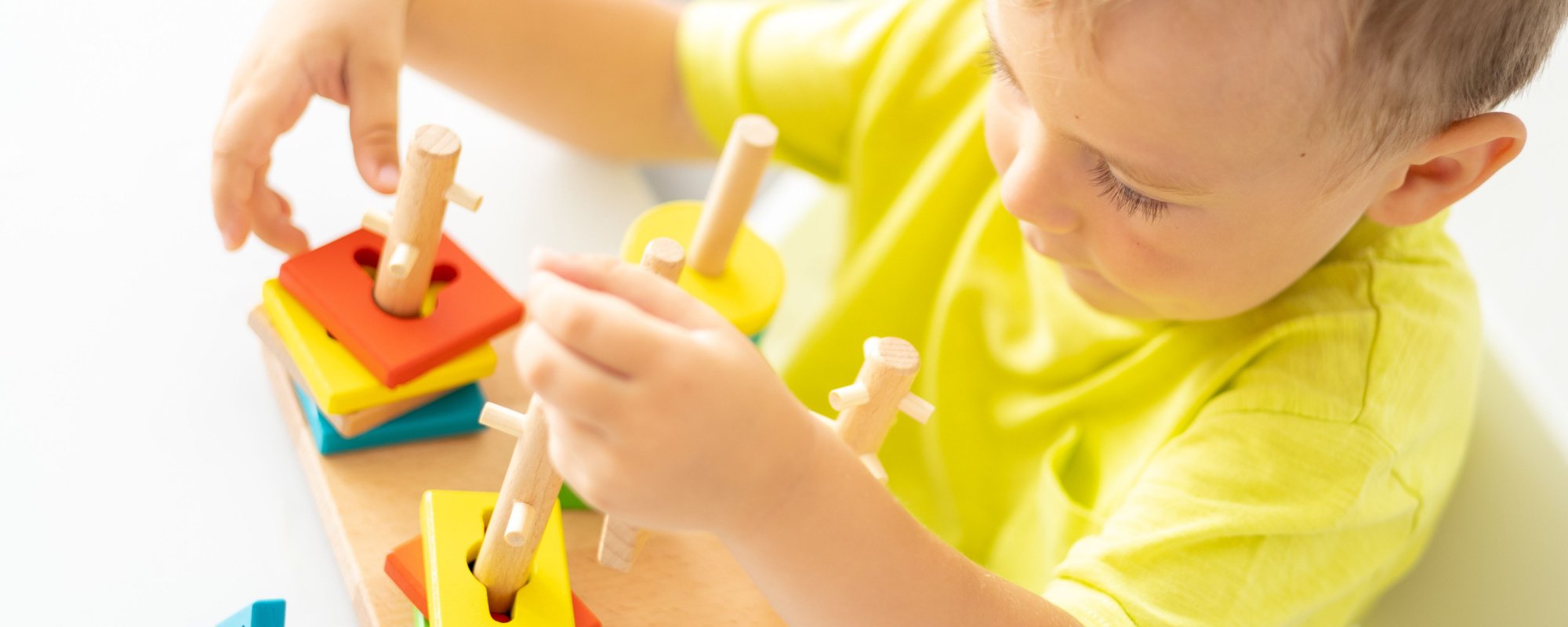
Preschool isn’t just about play—it’s structured play that introduces early math concepts like counting, sorting, patterns, and shapes.
In part-time programs, these skills are woven into everyday activities, helping your child develop logical thinking in a natural, engaging way.
Creativity And Curiosity-Driven Learning
Children in part-time preschool programs often engage in art, music, pretend play, and hands-on exploration. These activities encourage curiosity and creativity, which are essential for long-term academic success.
Because the schedule is lighter than full-time programs, children often come in more energized and engaged, making learning feel like discovery rather than obligation.
How Play-Based Learning Actually Builds Real Skills
It may look like simple play from the outside, but every activity in a quality preschool environment is designed with a developmental purpose.
When your child participates in block building, for example, they are learning spatial awareness, early engineering thinking, and problem-solving skills. When they engage in pretend play, they are practicing communication, emotional expression, and social negotiation.
Even routine activities like snack time or cleanup are structured learning moments. These teach responsibility, sequencing, and independence.
This is why part-time preschool is still highly effective—it is not about the number of hours, but the quality and intention behind each activity your child experiences.
Family Lifestyle And Practical Benefits
More Time At Home With Your Child
One of the biggest advantages of a part-time schedule is that it leaves room for both structured learning and meaningful family time. Your child benefits from interacting with teachers and classmates while still enjoying plenty of opportunities to learn through everyday experiences at home.
Whether you're reading together, visiting a local park, running errands, or simply sharing lunch, these moments continue to support your child's development. Part-time preschool complements family life rather than replacing it, allowing learning to happen in multiple settings.
Lower Financial Commitment
Part-time preschool typically costs less than full-time enrollment. This can make early education more accessible while still maintaining high-quality learning experiences.
For many Livermore families, this flexibility makes it easier to invest in other areas of child development or household needs.
Easier family scheduling
If you have multiple children, a part-time preschool schedule can simplify logistics. You can coordinate drop-offs, appointments, or work commitments more easily without managing a full school-day calendar.
This reduces stress and helps your household run more smoothly overall.
How Part-Time Preschool Supports School Readiness
Developing Routine And Structure
One of the biggest goals of preschool is preparing your child for kindergarten. Part-time preschool introduces consistent routines—arrival, group time, learning activities, cleanup, and dismissal.
These predictable patterns help your child feel secure and prepared for future academic environments.
Encouraging Independence Skills
You’ll notice your child learning how to manage small responsibilities, such as putting away toys, washing hands, packing belongings, and following multi-step instructions.
These independence skills are essential for kindergarten success.
Building Attention Span Gradually
Shorter school days can actually support better attention development. Your child learns to focus during structured activities without becoming overwhelmed.
Over time, this helps them build stamina for longer school days in the future.
What Quality Part-Time Preschool Looks Like In Livermore
Not all preschool programs are structured the same way, so it’s important to understand what high-quality early education typically includes.
In Livermore and the surrounding Tri-Valley communities, strong part-time preschool programs usually include:
- Licensed early childhood educators trained in developmental learning
- A play-based curriculum aligned with state early learning standards
- Safe indoor and outdoor learning environments
- Structured routines that support emotional regulation
- Balanced attention between group learning and independent exploration
A quality program should feel intentional—not rushed or purely recreational. Even in a part-time schedule, your child should experience meaningful learning progression week to week.
Signs Of A High-Quality Preschool Program Parents Should Look For
When you visit a preschool in Livermore, it’s important to observe more than just the classroom appearance. A strong early learning program has specific indicators that show whether your child will receive meaningful developmental support.
You should look for programs that demonstrate:
- Teachers actively engaging with children at their level
- Clear structure in daily routines without being overly rigid
- A balance between guided instruction and free exploration
- Calm, supportive classroom management techniques
- Age-appropriate materials that encourage hands-on learning
Another key indicator is how children behave in the environment. A healthy classroom is not silent or overly controlled—it is active, but still organized. Children should appear engaged, curious, and comfortable.
This type of environment is especially important in part-time preschool because each session carries more learning density than a full-day program.
Choosing The Right Part-Time Preschool In Livermore
Look For A Balanced Curriculum.
You want a program that includes both structured learning and free play. A strong preschool balances academic readiness with creativity, exploration, and social development.
Ask how the curriculum supports literacy, math, emotional growth, and motor skills.
Pay Attention To Teacher Interaction.
Your child’s experience will largely depend on the quality of teacher engagement. Look for warm, responsive educators who guide rather than direct every moment.
Strong teacher-child relationships are key to successful early learning.
Consider Class Size And Environment.
Smaller class sizes often mean more personalized attention for your child. You’ll want a setting that feels safe, welcoming, and developmentally appropriate.
Classroom layout, outdoor play space, and safety standards also matter.
What To Expect During The First Few Weeks
The Adjustment Period Is Normal
Your child may take time to adjust to the new routine. This can include excitement, hesitation, or emotional ups and downs.
This is completely normal and usually improves quickly with consistency.
Gradual Comfort With Teachers And Peers
Over the first few weeks, your child will begin forming bonds with teachers and classmates. You’ll notice growing comfort during drop-off and pickup.
Increased Confidence At Home
As your child becomes more comfortable in preschool, you’ll often see positive changes at home—more independence, better communication, and increased curiosity.
Long-Term Benefits Of Part-Time Preschool
Strong Foundation For Future Learning
The skills your child builds in part-time preschool extend far beyond early childhood. These include problem-solving, communication, emotional regulation, and social adaptability.
Better Adaptability In New Environments
Children who attend preschool—whether part-time or full-time—tend to adjust more easily to new environments, including kindergarten, extracurricular activities, and social settings.
Adaptability is one of the most valuable long-term skills your child develops during preschool. When children experience structured environments early, they tend to transition more smoothly into kindergarten and group-based learning settings.
This includes:
- Adjusting to new teachers without stress
- Following multi-step instructions
- Participating in structured group activities
These skills are not built overnight—they develop gradually through consistent exposure in environments like part-time preschool.
Lifelong Love Of Learning
When early education feels balanced and enjoyable, your child is more likely to develop a positive association with school and learning in general.
Why Part-Time Preschool Can Be The Smarter Long-Term Choice
For many Livermore families, part-time preschool is not just a temporary convenience—it becomes a long-term strategic choice for early childhood development.
It allows you to maintain close involvement in your child’s early years while still ensuring they are developing independence, social skills, and academic readiness. This balance often leads to more confident and well-adjusted children when they eventually transition into full-time schooling.
It also reduces pressure on your household schedule, giving you more flexibility to adjust as your child grows and your family's needs change.
In many cases, families who start with part-time preschool later realize it was the right foundation for easing into structured education without stress or resistance.
Conclusion
Every family approaches early education differently, and there is no single preschool schedule that works for everyone. A part-time preschool program offers a flexible option for families who want their child to experience structured learning while maintaining a balanced routine at home.
Through play-based activities, social interaction, and caring teacher guidance, children develop important skills that prepare them for kindergarten and beyond. At the same time, parents gain the flexibility to manage work, family responsibilities, and quality time together.
If you're exploring preschool options in Livermore, taking the time to visit programs, observe classrooms, and ask questions can help you choose an environment where your child feels supported, encouraged, and excited to learn.
Frequently Asked Questions
1. Can Part-Time Preschool Still Prepare My Child For Kindergarten Expectations?
Yes. Kindergarten readiness depends more on consistency and program quality than hours attended. Children in part-time preschool still develop key academic, social, and emotional skills needed for school success.
2. What Is The Biggest Advantage Of Part-Time Preschool For Parents?
The biggest advantage is balance. You can support your child’s early development while maintaining flexibility in your schedule, reducing stress, and preserving more family time at home.
3. Will My Child Be Behind If They Attend Part-Time Instead Of Full-Time Preschool?
No. Development depends more on program quality than hours attended. Many part-time students transition smoothly into kindergarten.
4. How Many Days Per Week Is Part-Time Preschool?
It typically ranges from 2 to 4 days per week, depending on the program.
5. Can Part-Time Preschool Help With Separation Anxiety?
Yes. Gradual exposure helps children build confidence and reduces anxiety over time.
6. Is Part-Time Preschool More Affordable?
Generally, yes. Families often choose part-time options to better manage budget and scheduling needs.
7. What Should I Look For When Touring A Preschool In Livermore?
Look for warm teachers, a balanced curriculum, clean and safe environments, and structured yet playful learning activities.
Where Independence Begins: Montessori Toddler Care In Livermore
The toddler years move fast, and they matter more than most parents realize. This is when language takes off, independence begins to form, and confidence grows. At Fountainhead Montessori, our Montessori toddler care program in Livermore is designed to support your child's growth in a way that feels natural, calm, and exciting.
Here, toddlers don’t just “stay busy.” They choose activities, build real skills, and start communicating in meaningful ways. With early exposure to Spanish and Mandarin, plus hands-on sensory learning, your child is constantly developing, often in ways you’ll notice at home within weeks.
You’ll see it in the small moments. Cleaning up independently. Using new words. Focusing longer. Smiling with pride after completing something on their own.
Our Livermore campus offers toddler through preschool programs, along with before and after-care options that make life easier for busy families. And once you step into the classroom, you’ll understand right away why families choose Fountainhead Montessori.
Ready to see it for yourself? Schedule a tour, download our parent guide, or take a look at our clear, upfront tuition.
Schedule a Tour | Download Our Parent Guide | View Tuition
Disclaimer:
This article is intended for informational purposes only and provides general guidance regarding part-time preschool options in Livermore. It is not intended to serve as professional educational, developmental, medical, or legal advice. Preschool programs, schedules, availability, experiences, and offerings may vary among schools and providers. Families are encouraged to visit local preschools, speak directly with administrators, and evaluate programs based on their child's individual needs, personality, and circumstances before making enrollment decisions.




Let us know what you think about this post
Put your Comment Below: