

Key Takeaways
- You enjoy child-led learning that fosters independence, intrigue, and customized learning while your little one gains confidence and ownership in their development.
- What makes the best Montessori preschool in Livermore different is that in it, you will receive a carefully prepared environment that encourages exploration, independence, and collaboration, supported by premium materials and intentional classroom design.
- As your little one flourishes in mixed-age groups that foster peer mentoring, leadership, and social development, they will mature holistically through diverse developmental stages.
- These long, distraction-free work periods foster deep focus, grit, and self-paced learning. Your child can truly stretch into the deep work required to master hard tasks.
- Guides in the Montessori classroom are not just teachers. They are observers, facilitators, and collaborators, providing personalized support while encouraging independence and parent involvement.
- You’re encouraged to be involved in your kid’s education with frequent communication, workshops, and establishing a home environment that complements Montessori philosophy. This approach ultimately develops lifelong skills and a love for learning.
What makes the best Montessori preschool in Livermore stand out in such a strong mix of skilled teachers, open and safe space, and hands-on learning tools? You see the concern in how staff address each child with dignity and tend to their needs in intimate groups. The best schools use authentic Montessori materials and allow you to track your child’s development, not only through grades but through daily work. You’ll observe peaceful classrooms and joyful children following their own pace. Parents report that frank discussions with their teachers help them feel like members of the school. For you and your toddler, these are what distinguish the best Montessori preschool in Livermore and mold a great first school step.
Core Montessori Distinctions
All of the Livermore Montessori preschools that stand out share a core set of differences that lay the foundation for authentic Montessori education. These schools employ approaches attentive to individual child needs, interests, and rhythms. The Montessori method seeks more than academic skills and targets the whole child—cognitive, social, and emotional. You discover purpose-driven classrooms where kids steer their learning journey under watchful mentorship, and hands-on work is king.
1. Child-Led Learning
In a supportive Montessori environment, you’ll observe kids steer their own education. Rather than adhering to a rigid, one-size-fits-all curriculum typical of traditional preschools, each child selects tasks aligned with their passions and abilities. They’re free to pursue projects, inquire, and experiment, which assists them in determining what they like and are interested in. When children choose their own learning path in a Montessori education experience, they cultivate ownership, becoming more intrepid, concentrated, and willing to tackle challenges. In Montessori, your child learns to trust their choices and build self-motivation, empowering them to become confident, capable learners.
2. Prepared Environment
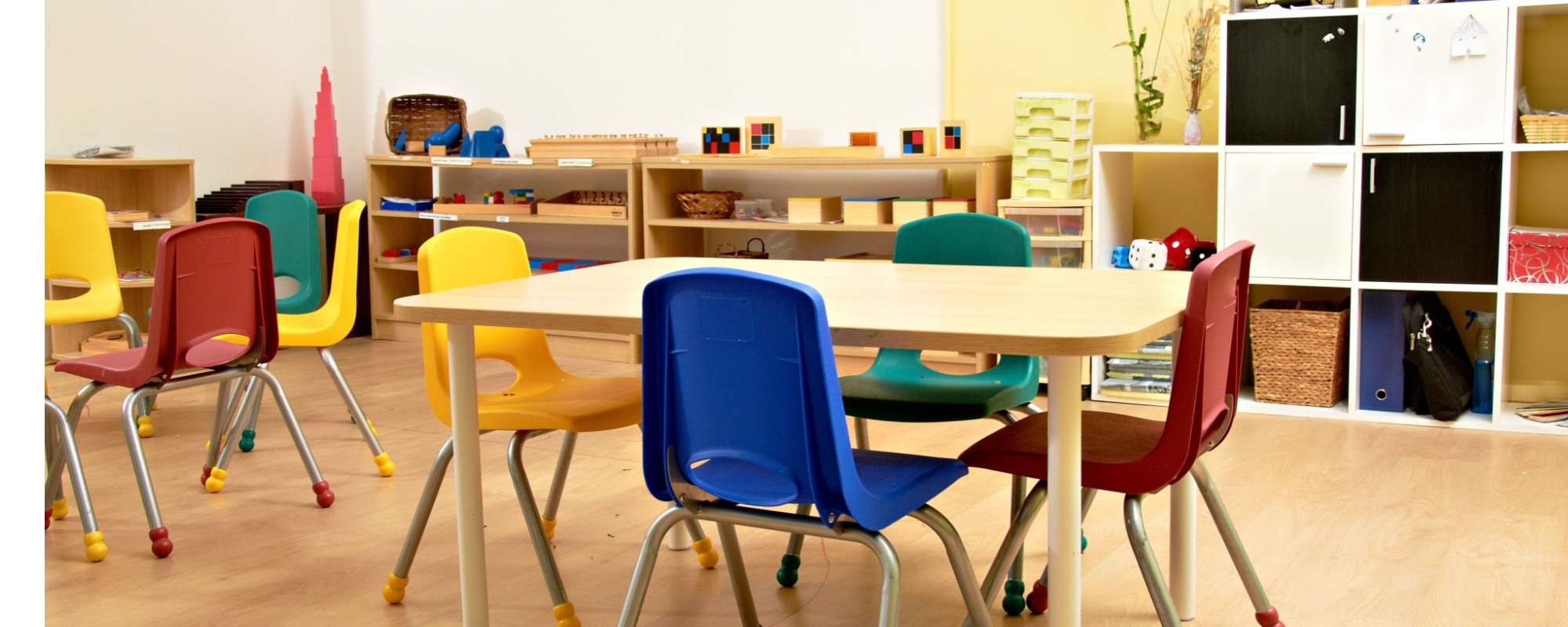
A Montessori classroom is more than a roomful of desks and chairs; it embodies the Montessori education approach designed to encourage learning and ignite wonder. There is a place for everything and a purpose within this supportive Montessori environment. You’ll find shelves with quality Montessori materials laid out so even the littlest kids can access them. Natural light, plants, and real objects create a calm and grounded atmosphere. Areas are free for kids to collaborate, yet provide room for silent concentration, empowering your child to wander, select, and discover at their own pace while engaging with the world.
3. Mixed-Age Groups
In a supportive Montessori environment, mixed-age groups of children learn together in one class, allowing your child to study alongside students a year or two above or below. Even the youngest kids observe and learn from their older peers, while the older ones demonstrate their knowledge, take on leadership roles, and assist their classmates. This approach develops genuine social intelligence and offers opportunities for collaboration on projects. Students learn to collaborate, share, and respect others' learning journeys, accommodating children where they are and making them feel part of the group, regardless of age or ability, within the Montessori education experience.
4. Uninterrupted Work
In Montessori education, children can engage in deep, focused work for as much as three hours, allowing them to immerse themselves in their chosen topics. This extended work period fosters concentration, enabling kids to complete their tasks without rushing. The Montessori method encourages independent problem-solving and decision-making, instilling grit and resilience. As a result, children learn organically and at their own pace, rather than being constrained by a rigid schedule.
5. Hands-On Materials
Montessori classrooms employ authentic, hands-on materials for all subjects, embodying the principles of the Montessori method. Children feel, construct, measure, and categorize objects to learn math, letters, or science, which enhances their learning journey. These materials assist them in observing and sensing how concepts function, not simply reading about them. Basic work, such as pouring water or tying a shoe, develops fine motor skills and fosters independence. Your kid works with real tools, real objects, and everyday materials, so learning feels functional and relevant. Sensorial materials assist them in tuning their senses and establish the foundation for language, math, and writing.
The Guide's Unique Role
A Montessori guide occupies a special role within the classroom, acting as a calm presence, an expert orchestrator, and engaged collaborator. This is a hallmark of the Montessori education experience that distinguishes the best local Montessori preschools Livermore has to offer. The guide’s role is not solely instructive; they create a supportive Montessori environment where your child develops naturally, is encouraged with care, and acquires life skills through hands-on engagement.
An Observer
The guide observes children working and interacting throughout the day, paying attention to nuanced signals regarding what engages or annoys them. This continuous monitoring enables the guide to determine when to intervene and assist and when to recuse themselves, allowing autonomy to flourish within a supportive Montessori environment. In top Montessori programs, guides rely on observation, using notes and even photos, to document your child’s progression through pouring water, tying shoes, or cutting numbers, crafting a record of each learning journey.
Through this careful observation, the guide gains insight into what your child is capable of and how they feel about and approach their work. Strengths are recognized and lauded, while hurdles are handled with care, no hurrying. In this manner, kids experience being noticed, paying attention, and having reached — cultivating confidence and a deep connection to their authentic Montessori education experience.
By documenting each learning path, the guide is able to plan future lessons that make sense for each child instead of following a fixed curriculum. This is why low student-to-guide ratios, like 1 to 8 for three-year-olds and 1 to 10 for older preschoolers, are so important. Your child receives the kind of targeted attention that traditional preschools cannot provide.
A Facilitator
In a Montessori education setting, you’ll discover that a Montessori guide seldom positions herself at the head of a room, telling you what to learn. Instead, the guide lays out neat, appealing stations of tactile materials, such as beads to tally, pitchers to empty, and jackets to zip. Such activities are selected for their practical worth and child appeal within the framework of authentic Montessori programs.
Toddlers need to be allowed to explore, question, and fix little problems themselves. The guide might inquire, “What do you suppose would happen if you combined these two colors?” or “How might you clean up this mess?” These types of questions nudge your kid to reason through steps, try things out, and gain confidence, reflecting the individualized learning approach of Montessori education.
The guide always remains nearby enough to assist if necessary and never assumes control. This delicate equilibrium allows your kid to sense ownership of their work and not isolation. Because the guide is trained in child development and Montessori methods, they know how to step in with just the right touch, fostering a supportive Montessori environment for every child.
A Collaborator
In a supportive Montessori environment, Montessori guides work alongside children rather than directing them. They organize engaging projects and activities that align with each child's personal interests, such as initiating a mini garden or constructing a basic machine as a team. These collaborative efforts instill a sense of ownership and pride in the kids, enhancing their Montessori education experience.
Families are encouraged to participate actively. Guides invite parents into classroom events or share their expertise, reinforcing the vital connection between home and the local Montessori preschool. Some schools even partner with outside groups to bring fresh inspiration, like having a scientist or artist visit to enrich the learning journey.
Collaboration is essential for all ages. Kids frequently work together, learning to listen, share, and troubleshoot as a group. These foundational teamwork lessons cultivate social development and foster lifelong friendships, which are key aspects of the authentic Montessori method.
Beyond The Classroom Walls
Beyond The Classroom Walls: What makes a Livermore Montessori preschool stand out is its ability to transcend textbooks and four walls, leveraging nature and the world around to mold impressionable minds through the Montessori education experience. The best programs utilize these outside experiences to develop a sense of belonging, street smarts, and a compassionate perspective on the entire child. When you choose a Montessori preschool, it’s not only about what goes on inside; it’s equally about your child engaging with nature, learning with peers, and acquiring actual skills for life. These habits forge kids who are conscious, flexible, and prepared for a rapidly evolving world.
Nature Integration
Outdoor areas aren’t simply play yards—they turn into hands-on classrooms in a local Montessori preschool. In a Montessori classroom, your toddler could maintain a mini vegetable garden, watch insects, or gather leaves and rocks for examination. This Montessori education experience creates a deeper sense of connection to our environment and helps kids realize how they fit into a larger ecosystem.
Kids are motivated to pause and take notice of their surroundings. Just observing birds and the texture of soil, or listening to the wind, all help to grow environmental awareness. These small moments make kids aware of the balance and beauty of the world and nurture lessons about sustainability and conservation.
Classrooms often incorporate environmental themes, from recycling projects to water use lessons. Your kid might learn about compost, the life cycle of plants, or how important bees are. These lessons are not just theoretical; they’re grounded in practice and tangible results you’ll observe in the Montessori preschool programs.
Physical well-being is not neglected. These types of activities, running, climbing, and gardening, get kids moving, strengthening them, and building their motor skills. The outcome is a harmony of mind and body, with open air and sunshine boosting wellness and attention.
Community Connection
Developing authentic community bonds is at the heart of Montessori education. Schools partner with local entities such as libraries or cultural institutions to make learning come alive through the Montessori method. Your kid could tour a local farm, participate in a community clean-up, or encounter a visiting artist. These experiences expand horizons and develop civic consciousness.
Family plays a big role in the learning journey. Frequent parent meetings, communal activities, and transparent communication create a resilient support system. You keep up with your child’s adventure and engage in school life, especially in a supportive Montessori environment.
Whether it’s a festival or a charity drive, taking part in community events gives your child a chance to exercise social skills and discover what it’s like to help others. These experiences develop empathy, confidence, and responsibility, essential traits nurtured through Montessori preschool programs.
Curriculum often draws on community resources, such as guest speakers, local history projects, and partnerships with service groups. These real-world connections help to anchor classroom learning in the world your child really lives in.
Practical Life Skills
Daily rituals in Montessori develop actual skills. Little ones empty water buckets, tie laces, sweep floors, and lay tables. These activities seem banal, but they impart concentration, thought, and intentionality.
Independence is central to Montessori. Your kid has the opportunity to independently select and organize their own work, developing self-confidence and resourcefulness. Errors are opportunities for learning, not failures.
Group projects, like snack prep or clean up, help children learn to collaborate and share responsibilities. In our mixed-age classrooms, the older children assist the younger, and each child develops at his or her own rhythm.
Social and emotional development is as important as academics. Kids learn to negotiate, hear other people out, and compromise. Emotional intelligence is baked in, not bolted on.
How Progress Is Measured
Tracking progress in a Montessori preschool program is nuanced and continuous, focusing on individualized learning rather than grades or test scores. This educational approach emphasizes measuring progress through observation, journaling, and self-reflection, providing a holistic view of how every child evolves in their learning journey. Such methods are integral to authentic Montessori education, fostering skills that last a lifetime. Below is a checklist that summarizes key methods used by the best Montessori schools in Livermore.
- Frequent one-on-one evaluations between the individual child and the instructor.
- Utilization of the three-period lesson to present, drill, and verify abilities.
- Practical applications rather than standard tests.
- Personal portfolios to document achievements.
- Child self-reflection and peer feedback.
- Twice-yearly formal conferences with families.
- Ongoing communication between teachers and parents.
Observational Assessment
Montessori teachers spend most of their day observing and recording how children engage with their surroundings. These notes aid in understanding each child’s innate curiosities and learning preferences, which is a key aspect of the Montessori education experience. Teachers then use this observation data to modify lessons, ensuring they align with each child’s unique needs.
Recognizing that not two children learn the same way or at the same speed, educators in a supportive Montessori environment can identify areas of strength and those needing additional support through real-time interactions with life skills. Montessori guides often hold discussions with parents, sharing observations that help create a complete picture of the child's development across various dimensions, including social and emotional growth.
Rather than focusing on final exams, teachers celebrate consistent improvements, assisting children in recognizing their knowledge expansion. This approach fosters a growth mindset, encouraging both you and your child to view the learning journey as an exploration rather than a competition.
Developmental Milestones
|
Milestone |
Typical Age Range (years) |
|
Fine motor control |
3–4 |
|
Early reading skills |
4–5 |
|
Counting to 100 |
4–6 |
|
Social cooperation |
3–6 |
|
Independence in tasks |
3–6 |
Every kid’s developmental trajectory is different. Montessori classrooms allow kids to advance at their own pace, so you witness genuine development instead of coerced motion. Family members receive explicit guidance regarding what milestones are significant and how to observe them at home. Resources such as handouts and parent guides are distributed so you can assist your child in building competencies beyond the class.
Teachers collaborate with families to recognize and celebrate every step, large or small, so you’re never in doubt that your child’s progress is noticed and appreciated.
Portfolio Documentation
|
Documentation Method |
Description |
|
Work samples |
Drawings, writings, math work, or crafts |
|
Photo records |
Pictures of children using learning materials |
|
Teacher notes |
Anecdotal records, observation checklists |
|
Child reflections |
Self-assessment or goal-setting sheets |
Portfolios are a living document. Kids select their best work for their folders, demonstrating what they take pride in. This assists them in measuring what they’ve gained and looking forward to what’s next.
Teachers talk about portfolios with children, letting them recognize their progress. Families view these at conferences, so it is easier for you to discuss your child’s progress or pose questions with teachers. It is always about actual work, not just grades, so you really get a sense of abilities and passions.
The Parent Partnership
The parent partnership lays the groundwork for a powerful educational experience in Livermore Montessori preschools. You’re not a sidelines spectator, but a co-star in your kid’s development within the Montessori education framework. The top Livermore schools treat families as a child’s initial instructors and enduring examples. It’s not me dictating to you — it’s us. Ongoing communication, focused workshops, and at-home support all combine to create a culture where your child excels.
Consistent Communication
You need the constant updates that keep you connected to your child in a supportive Montessori environment. The top schools, including local Montessori preschools, maintain a consistent line of communication through weekly e-newsletters, comprehensive progress reports, and instant notifications via secure online portals. These updates keep you informed about your child’s milestones, daily routines, and classroom work.
Open dialogue is essential. If you have an issue or query, you can speak with the teachers directly by email or appointment. This approach assists you in tackling problems rapidly and obtaining meaningful responses, enhancing your child’s learning journey.
Schools cultivate community with group chats or parent forums. This way, you can swap tips and stories or even arrange playdates. These common areas foster community and make you a member of the school tribe, reinforcing the importance of a strong parent community.
You’re not merely notified; you’re involved. When communication is great, you are equipped to reinforce your child’s support not just at school but at home, contributing to an authentic Montessori education experience.
Educational Workshops
Workshops are your entrée into Montessori. In these sessions, leaders detail the ‘how’ and ‘why’ behind classroom habits. For instance, you’ll discover why the materials are organized the way they are or how open-ended play develops concentration.
You receive hands-on resources. Schools will frequently distribute activity guides, toolkits, and reading lists to assist you in implementing Montessori concepts at home. This simplifies the effort you put into encouraging your child’s natural inquisitiveness and autonomy.
They have some group discussions on child growth and learning. These open forums allow you to raise questions, contribute insights, or simply hear the experiences of other parents. You may find novel ways to support your child through obstacles or comfort from parents experiencing the same milestones.
Workshops are not just about training you. They foster an atmosphere of mutual education, cultivating faith and common ground among parents and teachers.
Home Environment Support
A genuine parent partnership extends outside the classroom. You’re invited to craft a Montessori-inspired nook at home. Here are the steps you can follow:
- Prepare a child-friendly area: Install shelves at your child’s level, provide accessible utensils, and store toys and educational supplies where they can be easily found.
- Choose hands-on activities: Choose activities such as pouring water, sorting, or using tools sized for toddlers. These activities get your kid practicing real-world skills.
- Follow your child’s interests: Observe what draws your child’s attention and set up related activities. This encourages organic learning and autonomy.
- Keep the routine simple and clear: Use visual schedules or simple cues for daily tasks. Kids develop confidence when routines are straightforward.
- Support independence: Show your child how to do tasks, then let them try on their own. Errors are part of learning.
- Stay connected with teachers: Share what works at home and ask for feedback. This keeps learning seamless between the schoolhouse and the house.
You receive support via worksheets, video lessons, and personal consultations, so you’re never in the dark. As we share resources and stories with other parents, this parent partnership becomes an important link between home and school. This co-responsibility makes your child feel secure, competent, and loved.
Cultivating Lifelong Skills
That’s what makes Livermore Montessori preschool options such a great choice. You’re cultivating skills that last a lifetime through the Montessori education experience. These schools put you in the driver’s seat in an engaging role, where you solve problems, make intelligent decisions, and collaborate meaningfully with others in ways that echo real life. Our learning environment is designed to ignite your intellect, challenge you to think independently, and cultivate a passion for learning, not just today, but for a lifetime.
The finest Montessori rooms instruct you in thinking, not only in what to think. You get to use your hands, tools, and senses to solve real problems, like sorting or matching, or working out puzzles and patterns. You grind through errors by reviewing your own solutions and reflecting on what occurred. The mentor or instructor poses questions that push you to think deeper, not simply provide answers. This authentic Montessori method teaches you to identify issues, address them, and reflect on your actions. These habits aren’t just for school; they prepare you to tackle new assignments, new technology, or new careers as you age.
You discover how to labor and mature alone in a supportive Montessori environment. In this setting, everyday life is sprinkled with tiny, authentic tasks—pouring water, tying shoelaces, or tidying up your workspace. They are small but important steps. You do them every day, and after a while, you believe yourself to be an expert. You choose what to work on, your own timing, and your own approach to solutions. The classroom allows you to decide, not merely obey. This fosters your capacity to operate independently, remain motivated, and continue to learn without being prodded. These are the habits of lifelong leaders and lifelong learners.
Social skills and teamwork are baked into every day. In a Montessori class, you learn with children of different ages. The older kids teach the younger ones and assist them in learning. When you’re the older child, you learn to guide and nurture. When you’re young, you seek assistance and experiment in a protected environment. In the Great Work time, everyone sits together, each absorbed in his own work, but all benefiting from the shared space and shared mission. These experiences instruct you in how to get along, communicate, and collaborate. You get to discuss your emotions, hear from your peers, and understand the meaning of compassion. These are the things that sculpt how you form friendships and cope with challenges in the years to come.
Montessori schools aim to have you view learning as exciting, not a task. They provide you with space to grow habits that will serve you lifelong, such as cultivating deep, focused work. These lessons fit you—your style, your pace, your perspective. They are neither hurried nor evaluated. This makes you brave enough to experiment, fail, and experiment again. You start to recognize errors as learning, cultivating a growth mindset. You come to adore fresh concepts and desire to continue learning—even after preschool.
Conclusion
Fine Montessori preschools in Livermore mold your kid’s world in obvious ways. You get real tools, real work, and guides who understand every child’s rhythm. Children wiggle, chatter, and make decisions all day. Your child learns with real things, not just books or screens. Growth is tracked with easy-to-understand steps, so you’re in the loop. Parents are welcome to participate, not just drop off and pick up. Children learn life-long skills such as grit, compassion, and concentration. The best schools seem free and generous, allowing room for all voices. If you want a start that builds mind and heart, watch for these indicators. Want to chat more or check out how this suits your family? Contact us at any time.
Frequently Asked Questions
1. What Distinguishes A Montessori Preschool From Traditional Schools?
What makes the best Livermore Montessori preschool tick? It’s a supportive Montessori environment that fosters independence, activity, and self-motivational learning, making authentic Montessori education exciting and relevant for your little one.
2. How Does The Montessori Guide Support Your Child's Development?
Your child explores under the watchful eye of the Montessori guide, who provides individualized learning experiences through authentic Montessori education. This approach sparks your child’s inquisitiveness, helping them develop confidence and independence in a supportive Montessori environment.
3. What Learning Happens Outside The Montessori Classroom?
Your kid discovers nature and engages with the world through outdoor activities and practical life lessons, which are essential components of a supportive Montessori environment that nurtures social skills and real-life tasks.
4. How Is Your Child's Progress Measured In Montessori Preschools?
Montessori preschools, such as those in Livermore, utilize frequent observations and customized feedback instead of grades, providing an authentic Montessori education experience.
5. How Are Parents Involved In The Montessori Preschool Experience?
You’ll attend meetings, workshops, and events at your local Montessori preschool, fostering a tight-knit school community while supporting your child’s learning journey at home.
6. What Lifelong Skills Will Your Child Gain From Montessori Education?
Your child develops critical thinking, responsibility, and collaboration within a supportive Montessori environment, setting them up to thrive in both school and life.
7. Why Choose A Montessori Preschool In Livermore For Your Child?
How does the best Livermore Montessori preschool stand out? Your child receives an authentic Montessori education, giving them an educational head start and fostering their passion for learning.
Beyond The Basics: Enrichment And Language In Montessori Education
Montessori is more than just numbers, letters, and lessons; it’s about unlocking a child’s full potential. At Fountainhead Montessori, our enrichment and language programs bring learning to life. Children explore Spanish and Mandarin, dive into creative enrichment activities, and build confidence as curious, capable learners.
Our Danville and Livermore campuses offer toddler through preschool programs, along with convenient before and after-care for busy families. Whether you’re just starting to look into Montessori or you’re already ready to enroll, the best way to understand the difference is to see it for yourself.
Take the next step today: schedule a tour, download our free parent guide, or check out our clear, upfront tuition rates. And if you have questions, our admissions team is always here to help.





Let us know what you think about this post
Put your Comment Below: