

Finding the right toddler care program is one of the most important decisions parents make during their child's early years. These formative years are a time of incredible growth, as toddlers rapidly develop language, social, emotional, cognitive, and physical skills that lay the foundation for future learning. The environment your child experiences each day plays a significant role in building confidence, independence, communication abilities, and curiosity about the world around them. A high-quality toddler care program provides opportunities for exploration, meaningful interactions, and age-appropriate challenges that encourage children to learn through everyday experiences. With several options available in Danville, understanding which qualities truly matter can help you make a well-informed decision that benefits your child's development.
The best toddler care extends far beyond providing supervision while parents are at work. It creates a safe, nurturing, and stimulating environment where children feel secure enough to explore, ask questions, solve problems, and build positive relationships with both teachers and peers. Through thoughtfully planned activities, consistent routines, and individualized support, toddlers develop important life skills such as self-confidence, cooperation, emotional regulation, and independence. Programs that encourage hands-on learning and foster a love of discovery can make a lasting impact on a child's educational journey. Taking the time to research your options, schedule campus tours, and observe classroom interactions can help you choose a toddler care program that aligns with your family's values while giving your child the best possible start.
Key Takeaways
- Prioritize toddler care programs that maintain a safe, clean, secure, and welcoming environment where children can learn and explore with confidence.
- Caring, experienced, and attentive educators play a vital role in supporting your toddler's emotional, social, and intellectual growth.
- A consistent daily routine helps toddlers develop a sense of security while encouraging independence, responsibility, and healthy learning habits.
- Montessori-inspired programs promote hands-on exploration, practical life skills, problem-solving, and self-directed learning that supports long-term development.
- Strong communication between parents and educators helps create consistency between home and school while keeping families informed about their child's progress.
- Visiting the campus, observing classroom interactions, and asking thoughtful questions can provide valuable insight into the quality of a toddler care program.
- Selecting a program that focuses on the whole child's academic, emotional, social, and physical development helps establish a strong foundation for future success in school and beyond.
Why Choosing The Right Toddler Care Matters
The toddler years represent one of the most important stages of early childhood development. Between the ages of approximately 18 months and 3 years, children experience tremendous growth in nearly every area of development. During this time, they begin forming sentences, expressing emotions more clearly, developing friendships, improving physical coordination, and discovering how the world around them works. The experiences they have during these formative years help shape their confidence, curiosity, resilience, and readiness for future learning.
Because toddlers absorb information so quickly, the environment they spend their days in matters significantly. A high-quality toddler care program provides more than a safe place for children while parents work—it creates meaningful opportunities for learning through exploration, play, and positive relationships. Every interaction, whether it's stacking blocks, watering plants, reading a story, or sharing toys with classmates, contributes to a child's overall development.
Research consistently shows that children who participate in nurturing early childhood education programs often develop stronger communication skills, improved emotional regulation, greater independence, and positive social behaviors. These foundational abilities can support a smoother transition into preschool, kindergarten, and later academic experiences.
Choosing the right toddler care also gives parents confidence that their child is being cared for by professionals who understand early childhood development. Families gain peace of mind knowing their children are spending each day in a structured, engaging environment designed specifically for their developmental needs.
Perhaps most importantly, quality toddler care helps children develop a love of learning. When children are encouraged to ask questions, make discoveries, solve simple problems, and celebrate their accomplishments, they begin viewing learning as something enjoyable rather than something they are required to do. This positive mindset often benefits them throughout their educational journey.
What Should You Look For In A Toddler Care Program?
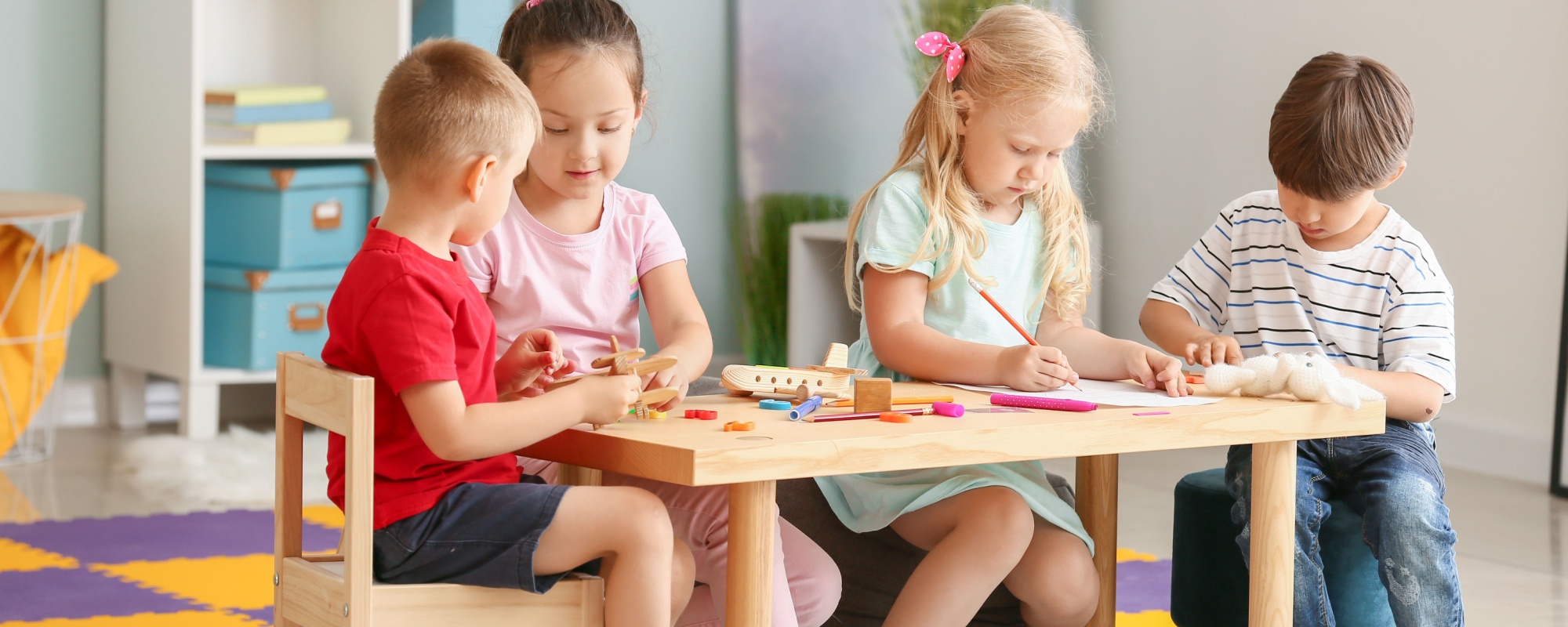
Every family has unique priorities when choosing toddler care. Some parents may value proximity to home or work, while others prioritize educational philosophy, classroom size, or outdoor learning opportunities. Although every family's needs differ, there are several characteristics that consistently indicate a high-quality toddler care program.
Evaluating these factors before enrolling your child can help ensure you're selecting an environment that supports both immediate comfort and long-term development.
A Safe And Clean Environment
Safety should always be among the first considerations when evaluating any toddler care program. Young children are naturally curious and constantly exploring, making it essential that classrooms are designed with their developmental stage in mind.
A quality toddler care center should maintain:
- Secure entry procedures that help protect children throughout the day
- Clean and organized classrooms
- Regularly sanitized toys and learning materials
- Safe indoor and outdoor play areas
- Child-sized furniture and equipment
- Age-appropriate educational materials
- Clearly defined emergency procedures
- Well-maintained playground equipment
- Safe sleeping and rest areas
- Proper food handling and hygiene practices
A thoughtfully prepared environment encourages toddlers to move freely, investigate new materials, and practice independence while minimizing unnecessary risks.
Cleanliness also contributes to children's health and well-being. Frequent sanitization of toys, tables, restrooms, and common areas helps reduce the spread of illness, allowing children to participate consistently in daily activities.
Warm And Supportive Teachers
The relationships toddlers develop with their caregivers have a lasting influence on their emotional and social development. Young children thrive when they feel loved, respected, and understood.
Exceptional toddler educators demonstrate qualities such as:
- Patience
- Kindness
- Consistency
- Encouragement
- Active listening
- Positive guidance
- Genuine enthusiasm for working with young children
Rather than simply supervising activities, experienced teachers observe each child's interests, developmental progress, and unique learning style. They provide gentle encouragement while allowing toddlers to develop confidence through independent exploration.
Positive teacher-child relationships also help children learn emotional regulation. When teachers calmly acknowledge feelings, model respectful communication, and help children solve simple conflicts, toddlers gradually develop empathy, cooperation, and self-control.
Parents should observe how teachers interact with children during a campus tour. Warm smiles, eye-level conversations, encouraging language, and patient guidance often indicate a nurturing classroom culture.
A Child-Centered Learning Philosophy
Quality toddler care programs recognize that children learn differently than older students. Instead of relying solely on structured lessons, they create opportunities for hands-on exploration and meaningful discovery.
Young children learn through:
- Touching
- Sorting
- Building
- Pouring
- Matching
- Singing
- Moving
- Asking questions
- Observing nature
- Engaging in imaginative play
Activities should be developmentally appropriate while allowing children to make choices and develop independence.
Programs that encourage active participation often help children become more confident learners because they discover concepts through experience rather than memorization.
How Does Montessori Toddler Care Support Early Development?
Montessori education has remained one of the most respected approaches to early childhood education because it recognizes children's natural desire to learn independently.
Rather than placing teachers at the center of every activity, Montessori classrooms are carefully prepared to encourage children to explore materials independently while teachers serve as thoughtful guides.
For toddlers, this creates an environment that supports curiosity, confidence, and personal responsibility.
Hands-On Learning Encourages Deeper Understanding
Toddlers naturally learn best through physical interaction with their environment.
Instead of listening to lengthy explanations, they learn by:
- Pouring water between containers
- Matching colors and shapes
- Washing tables
- Caring for plants
- Sorting objects
- Completing simple puzzles
- Exploring sensory materials
- Practicing practical life activities
Each activity helps strengthen concentration while supporting cognitive, physical, and emotional development.
Children gradually build understanding because they experience concepts directly instead of simply observing them.
Independence Becomes Part Of Daily Life
One of the defining characteristics of Montessori education is encouraging children to do things for themselves whenever possible.
Toddlers are given opportunities to:
- Put away materials
- Wash hands independently
- Choose activities
- Carry trays
- Prepare simple snacks
- Clean small spills
- Put on jackets
- Organize belongings
These seemingly simple tasks help children develop responsibility, confidence, coordination, and self-esteem.
Rather than completing tasks for children, teachers provide gentle support while allowing toddlers to experience the satisfaction of accomplishing goals independently.
Benefits Of Montessori Toddler Care
Children participating in Montessori-inspired toddler programs often develop:
- Greater independence
- Strong concentration
- Practical life skills
- Early language development
- Fine motor coordination
- Gross motor development
- Problem-solving abilities
- Self-confidence
- Respect for classmates
- Responsibility for their environment
- Persistence when facing challenges
- Curiosity about learning
These qualities support success both inside and outside the classroom.
Why Is Daily Structure Important For Toddlers?
Although toddlers enjoy exploring new experiences, they also thrive on consistency. Predictable daily routines help children understand what comes next, reducing anxiety while creating emotional security.
When children know what to expect throughout the day, they are better able to focus on learning rather than worrying about transitions.
Routine also supports healthy behavior because toddlers gradually learn expectations for different parts of the day.
Benefits Of Consistent Daily Routines
A structured daily schedule helps toddlers:
- Feel emotionally secure
- Build independence
- Improve self-regulation
- Develop time awareness
- Transition more easily between activities
- Practice responsibility
- Gain confidence
- Form healthy habits
Consistency becomes especially important during a stage when toddlers are learning to manage increasingly complex emotions.
A Balanced Toddler Schedule
A well-designed toddler program often includes:
Arrival And Welcome Activities
Children settle into the classroom, greet teachers, and transition comfortably from home to school.
Independent Learning Time
Toddlers choose activities that match their interests while teachers observe and provide guidance.
Small Group Lessons
Children participate in songs, stories, language development, or simple collaborative activities.
Outdoor Exploration
Fresh air and physical movement support coordination, strength, and overall health.
Healthy Snacks And Meals
Shared mealtimes encourage independence, conversation, and practical life skills.
Rest Time
Adequate rest supports healthy physical and cognitive development.
Music And Movement
Songs, rhythm, and movement strengthen listening skills, coordination, and creativity.
Storytime
Reading introduces vocabulary, imagination, and early literacy skills.
Practical Life Activities
Simple daily tasks help toddlers develop independence while strengthening fine motor skills.
Although routines remain consistent, quality programs also allow flexibility to accommodate children's interests and developmental needs.
How Can You Evaluate A Toddler Care Center During A Tour?
Visiting a school provides valuable insight that cannot be captured through brochures, websites, or online reviews alone.
A campus tour allows parents to experience the classroom atmosphere firsthand and determine whether the environment aligns with their family's expectations.
Observe not only the physical environment but also the interactions taking place throughout the school.
Observe The Classroom Environment
Pay attention to details such as:
- Are classrooms calm and organized?
- Do children appear engaged?
- Are learning materials accessible?
- Is the classroom inviting?
- Are safety measures clearly visible?
- Is the space clean and well maintained?
Prepared classrooms often reflect thoughtful planning and attention to children's developmental needs.
Watch Teacher-Child Interactions
Perhaps the most valuable part of any school visit is observing how educators communicate with children.
Look for teachers who:
- Speak respectfully
- Listen carefully
- Offer encouragement
- Guide rather than control
- Help children solve problems
- Comfort children with patience
- Celebrate accomplishments
Positive interactions help create emotionally secure learning environments.
Questions To Ask During Your Visit
Parents should feel comfortable asking thoughtful questions during a campus tour.
Consider asking:
- What is the teacher-to-child ratio?
- How are classrooms organized?
- What does a typical day look like?
- How does the program encourage independence?
- How are behavioral challenges addressed?
- What safety procedures are followed?
- How do teachers communicate with families?
- What opportunities exist for outdoor learning?
- How are developmental milestones monitored?
- How are new children helped during the transition period?
The answers can provide valuable insight into the school's educational philosophy and daily operations.
Why Parent Communication Makes A Difference
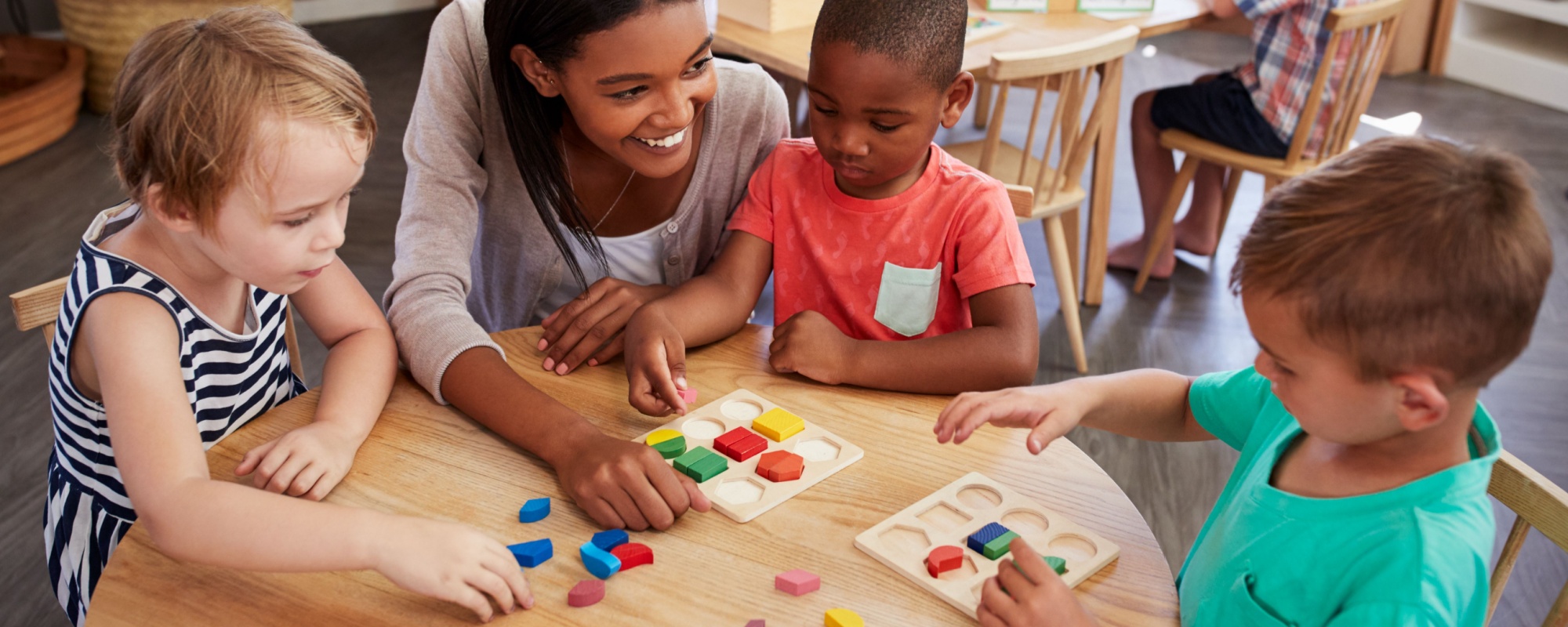
Successful early childhood education depends on strong partnerships between families and educators.
Parents know their children best, while teachers observe them in a classroom setting among peers. Together, these perspectives create a more complete understanding of each child's development.
Open communication helps ensure consistency between home and school while allowing families to remain actively involved in their child's learning journey.
Consistent Family Updates
Quality toddler care programs often provide ongoing communication through:
- Daily activity reports
- Progress discussions
- Parent-teacher conferences
- Classroom newsletters
- School events
- Developmental updates
- Family education opportunities
- Photos of classroom activities (when appropriate)
- Scheduled meetings
- Individual progress conversations
These updates help parents celebrate milestones while addressing concerns early if they arise.
Building Trust Through Partnership
When parents and educators communicate openly, children benefit from consistent expectations across both environments.
Families can reinforce classroom learning at home while teachers gain valuable insights into children's interests, routines, and developmental progress.
This collaborative relationship helps children feel supported by the important adults in their lives.
Strong communication also allows teachers to personalize learning experiences based on each child's unique strengths, interests, and developmental needs.
Why Families Choose Fountainhead Montessori School Of Danville
Selecting a toddler care program is about finding an environment where children feel safe, respected, encouraged, and inspired to learn. Fountainhead Montessori School of Danville strives to create exactly that kind of learning community through its commitment to Montessori principles and child-centered education.
The school's thoughtfully prepared classrooms encourage exploration, independence, and hands-on discovery while supporting each child's social, emotional, cognitive, and physical development. Rather than expecting every child to learn in the same way or at the same pace, educators recognize that each toddler develops uniquely and provide guidance that supports individual growth.
Experienced teachers foster warm, respectful relationships that help children feel confident and secure as they develop new skills. Daily routines balance structured learning with opportunities for creativity, movement, practical life experiences, and collaborative play. Through carefully selected Montessori materials, children are encouraged to make choices, solve problems, build concentration, and develop independence in ways that are appropriate for their age and developmental stage.
Families also value the welcoming school community and the emphasis on strong partnerships between parents and educators. Regular communication helps families stay connected to their child's progress while reinforcing learning both at school and at home.
By focusing on the development of the whole child rather than academic achievement alone, Fountainhead Montessori School of Danville provides toddlers with a strong educational foundation that supports confidence, curiosity, responsibility, and a lifelong love of learning. These early experiences help prepare children not only for future academic success but also for becoming capable, compassionate, and independent learners as they continue their educational journey.
Conclusion
Finding the best toddler care near you in Danville involves much more than comparing tuition costs, operating hours, or proximity to your home or workplace. The early years of a child's life are filled with rapid growth and discovery, making it essential to choose a program that supports every aspect of their development. A quality toddler care program provides a safe, nurturing, and engaging environment where children are encouraged to explore their interests, build meaningful relationships, develop independence, and gain confidence through everyday experiences. From caring educators and thoughtfully prepared classrooms to structured daily routines and enriching hands-on activities, every aspect of a high-quality program contributes to helping toddlers reach important developmental milestones.
As you explore your options, take time to visit each school, observe classroom interactions, and ask questions about the curriculum, teaching philosophy, safety procedures, and communication practices. Seeing how teachers engage with children and how the learning environment is organized can provide valuable insight into whether a program is the right fit for your family. Looking beyond the basics and focusing on the overall educational experience will help ensure your child is supported academically, socially, emotionally, and physically during these important formative years.
For families seeking a nurturing Montessori environment, Fountainhead Montessori School of Danville provides an educational approach centered on respect, independence, curiosity, and hands-on learning. Its thoughtfully prepared classrooms, experienced educators, and commitment to supporting the whole child create opportunities for toddlers to develop essential life skills while building a genuine love of learning. Rather than encouraging children to simply follow directions, the Montessori philosophy empowers them to become active participants in their own education, helping them build confidence, responsibility, and problem-solving abilities that extend well beyond the classroom.
Choosing toddler care is one of the first major educational decisions you'll make as a parent, and it can have a lasting impact on your child's future growth and success. By carefully evaluating your options and selecting a program that aligns with your family's values and your child's unique needs, you can feel confident knowing you're providing a strong foundation for lifelong learning. Investing time in finding the right toddler care today can help your child develop the skills, confidence, and enthusiasm they need to thrive both in school and throughout life.
Frequently Asked Questions
1. What Age Can Toddlers Begin Toddler Care?
Many toddler care programs begin accepting children between 18 months and 3 years of age, although specific enrollment requirements vary by school. Some programs may have additional readiness guidelines, while others offer flexible enrollment based on developmental milestones. Contact the school directly to learn about age requirements, enrollment availability, and transition procedures for new students.
2. What Makes Montessori Toddler Care Different?
Montessori toddler care differs from many traditional childcare programs by emphasizing hands-on learning, independence, and self-directed exploration. Instead of relying primarily on teacher-led instruction, children learn through carefully prepared materials and practical life activities designed to match their developmental stage. Teachers serve as guides, encouraging toddlers to make choices, solve problems independently, develop concentration, and build confidence while learning at their own pace within a structured and supportive environment.
3. How Do I Know If A Toddler Care Program Is Right For My Child?
The best way to evaluate a toddler care program is to schedule a campus tour and observe the learning environment firsthand. Pay close attention to how teachers interact with children, whether classrooms are clean and organized, and if children appear engaged, happy, and comfortable. Ask questions about the daily routine, educational philosophy, safety procedures, communication with parents, and opportunities for outdoor play. Choosing a program where your child feels welcomed, supported, and encouraged to explore is an important step toward a successful early learning experience.
4. How Important Is Outdoor Play For Toddlers?
Outdoor play is an essential part of healthy toddler development. It helps children strengthen large muscle groups, improve balance and coordination, develop spatial awareness, and build overall physical fitness. Outdoor environments also encourage creativity, imaginative play, curiosity, and social interaction while giving children opportunities to explore nature and their surroundings. High-quality toddler care programs typically incorporate outdoor play into the daily schedule whenever weather and conditions permit, recognizing that physical activity supports both learning and overall well-being.
5. How Can Parents Prepare A Toddler For Starting Childcare?
Preparing your toddler for childcare can make the transition smoother and more comfortable for everyone involved. Begin by establishing consistent routines for waking up, eating meals, and napping so your child becomes familiar with a predictable daily schedule. Encourage simple independent skills such as washing hands, putting away toys, or feeding themselves to help build confidence. Talk positively about school, read books about starting childcare, and visit the campus together before the first day whenever possible. Maintaining a calm, encouraging attitude during drop-off and working closely with teachers throughout the adjustment period can help your child feel secure as they adapt to their new environment.
6. What Should I Bring When Visiting A Toddler Care Center?
When touring a toddler care center, bring a list of questions about the program, curriculum, safety practices, tuition, and enrollment process. It's also helpful to observe classroom routines, teacher-child interactions, and the overall atmosphere during your visit. Taking notes can make it easier to compare different programs afterward and determine which one best aligns with your family's priorities.
7. Why Is Parent-School Communication Important In Toddler Care?
Strong communication between families and educators creates consistency between home and school, helping toddlers feel more secure and supported. Regular updates about daily activities, developmental progress, and classroom experiences allow parents to stay involved in their child's learning journey. Open communication also enables teachers and parents to work together to address challenges, celebrate milestones, and create a positive learning experience that supports each child's growth.
Find Trusted Toddler Care Near You In Danville
Finding the right toddler care is one of the most important decisions you'll make as a parent. At Fountainhead Montessori, our Danville campus provides a warm, nurturing environment where toddlers build confidence, independence, and a love of learning through hands-on exploration and individualized guidance. Designed for children as young as 18 months, our program supports each child's unique pace of development while giving families peace of mind. We also offer convenient before and after care to fit busy schedules.
Ready to see why so many local families choose Fountainhead Montessori when searching for toddler care near me in Danville? Schedule a personal tour, download our free parent guide, or explore our transparent tuition information. Our admissions team is happy to answer your questions and help you find the right fit for your child.






Let us know what you think about this post
Put your Comment Below: