

Specifically, a Montessori preschool helps children build confidence by providing them with opportunities to make decisions, seek independence through trying things independently for the first time, and work with autonomy at their own speed. In these environments, children can choose from tactile tasks appropriate to their age and ability, allowing them to witness what they can accomplish on their own. Teachers lead without spoon-feeding, allowing children to repair minor errors and complete tasks independently. In this manner, kids come to believe in the things they know and can accomplish. Small group work and calm rooms assist children in exchanging ideas and demonstrating respect for others. Both parents and teachers observe that, as the years pass, Montessori children become increasingly self-assured in their day-to-day lives. We explore the highlights below.
Key Takeaways
- Montessori preschools establish systematic, secure settings that promote discovery and autonomy, allowing children to be comfortable taking chances and experience growth from their endeavors.
- They build confidence by working at their own pace, mastering practical life skills, and using self-correcting materials to figure out solutions on their own.
- Choice of activities daily develops autonomy, decision-making, and self-discipline, instigating pride and ownership in learning.
- Mixed-age classrooms foster peer mentorship, collaboration, and a strong sense of community, which nurtures social and emotional development.
- Respectful guidance and positive communication from teachers help children build trust, self-reflection, and accountability.
- Through hands-on and outdoor experiences, kids become creative and critical thinkers with resilient spirits. They gain valuable lifelong skills that equip them for success in school and beyond.
The Prepared Environment
The prepared environment is a centerpiece of any Montessori classroom. This environment is designed to allow children to roam independently while feeling secure and included. The magic is in the space; it is configured around what children require at their stage. Each component is designed so that kids can labor, play, and discover independently, aligning with the Montessori philosophy that fosters individuality and growth.
A prepared environment guides children to navigate and explore at their own speed. Shelves are low, so kids can select what they will use. The tables and chairs are tiny, allowing children to sit, stand, or push things around on their own. This configuration demonstrates to children that their needs are important and provides them with the independence to initiate tasks without having to wait for an adult. For instance, a child is free to select a set of building blocks, create patterns with them, and then return them to their source unassisted. This uncomplicated gesture constructs pride and self-belief, reinforcing the concepts of the Montessori method.
How Montessori Builds Confidence
Montessori preschools design environments where kids develop confidence through practical life activities, making them decision-makers, problem solvers, and error learners. This approach emphasizes independence and moving at your own speed, fostering a nurturing environment aligned with foundational Montessori values.
|
Feature |
Benefit |
|
Self-paced learning |
Builds self-esteem and trust in abilities |
|
Error control in tools |
Teaches problem-solving and resilience |
|
Mixed-age groups |
Offers peer mentoring and social support |
|
Real-life activities |
Grows independence and practical competence |
|
Respectful guidance |
Encourages self-reflection and positive self-image |
1. Practical Life
Kids in Montessori classes do practical work, like pouring water, tying their shoes, or sweeping. These activities provide them with concrete opportunities to demonstrate and expand their abilities, which makes them feel competent. When a child masters cutting fruit or setting the table, they encounter tangible outcomes of their effort. This increases their faith in their own abilities.
Manually working with tools that fit small hands — such as tongs or wooden puzzles — helps them build fine motor skills. Fine motor control is tied to self-confidence because children observe advancement in areas they can independently navigate. In group work, children learn to help each other — teamwork and social belonging.
2. Freedom Of Choice
In a Montessori classroom, kids choose their own work from a selection of Montessori curriculum activities. This freedom fosters self-discipline as they practice making choices and managing their time. Engrossed in tasks that reflect their passions, they develop a growth mindset and feel proud of their accomplishments while honoring classroom boundaries.
3. Self-Correcting Materials
Montessori materials are designed so kids can identify and correct their own mistakes. For instance, a wooden puzzle snaps together in only one configuration, so a child immediately senses if something is wrong. This design, which Montessori called “control of error,” allows kids to troubleshoot and improve without requiring an adult’s assistance at every turn.
Nothing builds real confidence like solving problems independently. Kids become accustomed to error, re-attempt, and achievement. This puts them in a position to view mistakes as opportunities, not defeat.
4. Mixed-Age Classrooms
Mixed-age classrooms provide young children with the opportunity to learn from older peers, and the older kids get to teach. This creates deep social connections and belonging. Because kids progress at their own pace, no one is left behind or slowed down.
Older kids model good behavior, and younger ones absorb skills through observation. It reduces anxiety because kids feel like they are part of a community that has each other’s backs.
5. Respectful Guidance
Montessori teachers step back, letting kids work things out for themselves while guiding as necessary. They role model gentle, respectful methods of communication and conflict resolution. This instills faith and makes kids feel secure.
Feedback is soft and self-reflective. They learn to consider their options, take responsibility, and develop from both successes and challenges.
Fostering An Internal Compass
A Montessori preschool nurtures an internal compass by providing your child with room to choose, stumble, and develop through engaging Montessori curriculum activities. The Montessori method holds that every kid is capable of figuring things out, and that providing the right experiences and subtle guidance fosters a growth mindset essential for meaningful learning.
- Kids can decide for themselves what work to do and how to approach a puzzle. This step is crucial because it allows them to exercise decision-making. When they grasp a bead dune or transfer water from jug to jug, they develop an internal compass. Every little choice, from arranging flowers to sweeping the floor, tallies up. As these choices accumulate, they help kids recognize they’re capable, which forms the basis for genuine self-esteem.
- Montessori teachers help kids learn to think and choose on their own. Rather than providing them with answers, teachers pose questions or recommend experimenting with a different approach. For instance, if a kid is having trouble tying their shoes, the teacher could ask, “What is the tricky part?” This request requires the child to stop, reflect, and retry. They develop critical thinking and learn how to fix things, not sit around and wait for someone to do it for them.
- Emotional growth is commonplace in the classroom. Kids can say how they feel and discuss what is difficult and what is not. Teachers listen nonjudgmentally and assist them in verbalizing their emotions. For example, when a kid gets bummed about a broken toy, they learn it’s okay to feel bummed and how to repair or maintain things. This cultivates confidence in their own instinct and supports them to navigate novel scenarios with greater composure.
- It’s taught in little ways and big ways. Children mind their materials, return things when finished, and assist with tidying. They realize that what they do makes a difference, not only for themselves but for their peers and for the class. If a child forgets to put away a tool, we discuss what happened and repair it as a team. This consistent reinforcement aids kids in developing an internal compass or sense of morality rooted in themselves, not merely in rule following.
The Role Of Hands-On Work
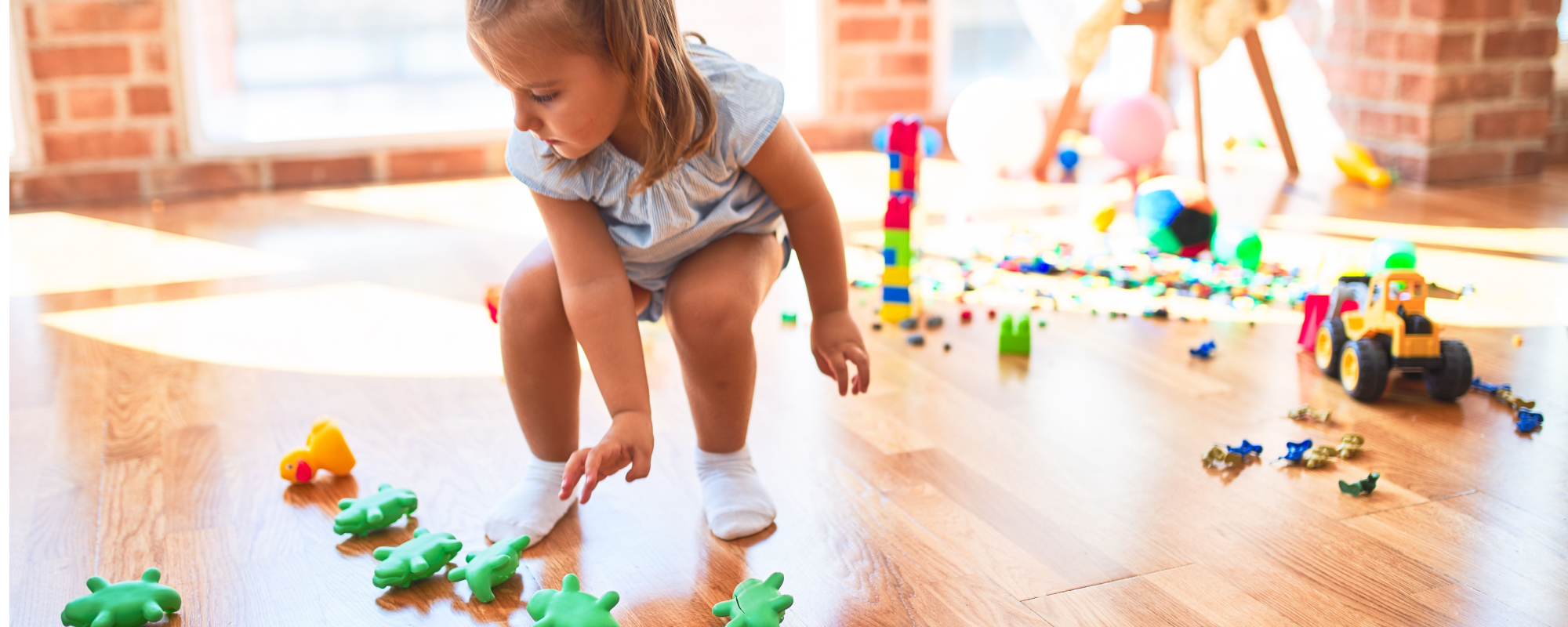
Hands-on work is central to the Montessori preschool method. It is where children learn best by applying their passion to actual, tangible material. Using their hands to feel, shift, and manipulate real things every day, kids engage in Montessori curriculum activities that enhance their learning experiences. Recent neuroscience illustrates that the hand and brain develop together, making these activities integral to how children think and memorize. In Montessori classrooms, kids count wooden beads, pour water, or button their coats to develop essential skills. These daily acts contribute to cultivating a deep sense of understanding that sticks.
Hands-on work provides kids with immediate, tangible feedback for their efforts. When a child lays out flowers or scrawls a first note, the achievement is both tangible and immediate. This type of work assists our brains in making robust connections, helping kids retain information longer. It allows them to prove their own work and correct errors independently, instead of waiting for a teacher to intervene. This approach instills confidence in their own skills, inch by inch.
Creativity thrives in an environment where kids can tinker and experiment with their hands. Whether constructing a block tower or mixing paint colors, kids are encouraged to experiment and invent new approaches to tackle little challenges. They learn that it’s okay to attempt it, fail, and attempt it again. These moments of decision ignite creativity and allow children to realize their own power to create change. The opportunity to build and discover fosters a healthy identity and self-esteem.
Beyond The Classroom Walls
Montessori preschool does not end at the classroom door. Learning spills over into other areas of a child's day, providing additional opportunities to develop confidence. The Montessori method encourages development in all sorts of directions, from play outside to building with others. It extends the notion that kids learn best by doing and allows them to experience actual things in a secure environment, both indoors and out.
|
Learning Opportunity |
Where It Happens |
How It Builds Confidence |
|
Gardening |
Schoolyard, parks |
Let children care for plants, see progress, and build pride in their work. |
|
Nature walks |
Trails, gardens, parks |
Sparks curiosity and lets children ask questions and find answers themselves. |
|
Community clean-up |
Local neighborhoods |
Gives a sense of belonging and shows the impact of teamwork. |
|
Visiting local markets |
Community centers, shops |
Encourages social skills by meeting new people and learning about the world. |
|
Art in public spaces |
Parks, plazas |
Fosters self-expression and lets children share their work with others. |
Outdoor exploration in Montessori is not just play! Exposure to nature gets children interested in the world. They observe how things function, they inquire, and they discover for themselves. These moments help them realize that effort counts, not just nailing it, which cultivates a growth mindset. The quiet, fresh air provides room to experiment, to falter, and to experiment once more without concern about being criticized.
The Long-Term Impact
Not only do the Montessori curriculum activities influence early learning, but its method also prepares kids for long-term development in and beyond the classroom. When kids get to choose what they work on and progress at their own rate, they begin to love learning and believe in themselves. This early accomplishment can ignite a passion for learning that carries them into grade school and beyond. This hands-on style, such as pouring water, sorting beads, and using tweezers, develops essential skills that assist later both at school and in the real world.
Conclusion
Montessori preschools provide children with genuine opportunities to develop confidence in their abilities. Kids get to try things themselves and select what they want to work on. Teachers lead, not rule. Children work through challenges, make plans, and witness tangible evidence of their own development. They begin to have self-awareness about their desires and capabilities. They learn skills that stick and spill over at home, with friends, and down the road. If you want to find out more about how Montessori helps kids grow, check out what local schools provide or speak with teachers. These little steps now can build a child’s faith in herself for years to come.
Frequently Asked Questions
1. How Does A Montessori Preschool Environment Support Self-Confidence?
The Montessori environment, rooted in the Montessori philosophy, is built for independence, allowing kids to select tasks and proceed at their own speed, fostering a growth mindset and developing self-assurance as they succeed on their own.
2. Why Is Hands-On Learning Important In Montessori Education?
Hands-on activities in a Montessori classroom let children learn by doing. This engagement reinforces abilities and increases self-esteem, fostering a growth mindset as children observe their progress and feel inspired to experiment and explore.
3. How Does Montessori Education Encourage Decision-Making In Children?
Montessori schools allow children to make choices about their activities each day, fostering a growth mindset. This builds their decision-making muscles and helps them rely on their own judgment, creating a base for confidence to grow.
4. Can Montessori Methods Help Shy Or Introverted Children Become More Confident?
Yes. Montessori teachers honor each child’s tempo and disposition, fostering a nurturing environment that aligns with the Montessori principles. With encouragement, even the shyest kids can develop confidence and social ability as the years pass.
5. What Role Do Teachers Play In Building Children’s Confidence In Montessori Preschools?
In a Montessori preschool, teachers act as guides, not lecturers, embracing the individuality of each child. By providing opportunities for kids to succeed independently, the Montessori method fosters confidence and self-assurance.
6. Does Montessori Education Have A Lasting Impact On A Child’s Confidence?
Research and experience show that children educated through the Montessori method often develop high self-esteem and a growth mindset, which serve them well throughout their lives.
7. How Does The Montessori Approach Encourage Children To Learn From Mistakes?
Montessori materials are self-correcting, allowing children to notice their own mistakes and correct them. This process fosters a growth mindset and builds resilience, encouraging young children to try again.
Support Your Child’s Growth Through Montessori Philosophy And Early Learning
Curious how Montessori philosophy and early learning can shape your child’s development? We invite you to experience it firsthand at Fountainhead Montessori in Livermore. Our classrooms are carefully prepared to support curiosity, independence, and a genuine love of learning, giving young children the freedom to grow at their own pace in a calm, supportive environment. Optional before- and after-care is also available for families who need flexible schedules.
Click below to schedule a personal tour, download our free parent guide, or review our transparent tuition rates. If you’re wondering whether Montessori philosophy and early learning are the right path for your child, our admissions team would be happy to answer your questions and help you find the best fit for your family.






Let us know what you think about this post
Put your Comment Below: