

Choosing a Montessori preschool is often driven by parents who want more than early academics—they want a learning environment that helps children grow into confident, self-reliant individuals. In a Montessori setting, independence is not treated as an optional outcome or an occasional milestone; it is intentionally embedded into every part of the child’s day. From the moment children enter the classroom, they are encouraged to make choices, follow their interests, and take ownership of their learning experience in a way that feels natural and empowering.
In this carefully prepared environment, children are guided—not directed—to explore materials, solve problems, and take responsibility for their actions. Every element of the classroom, from the layout of learning materials to the rhythm of the daily routine, is designed to support independence at a developmentally appropriate pace. This allows children to gradually build confidence in their abilities while learning how to navigate both academic and social situations.
At schools like Fountainhead Montessori School of Danville, independence is nurtured through hands-on learning, structured freedom, and respectful teacher guidance. Rather than relying on constant instruction, children are given the space to engage deeply with activities, repeat tasks until mastery, and learn from natural consequences. This approach helps shape not only early academic skills but also essential life skills such as responsibility, focus, and self-discipline—qualities that influence how children think, learn, and interact with the world long after preschool.
Key Takeaways
- Montessori education builds independence through intentional child-led learning and decision-making, allowing children to actively participate in their own development.
- The classroom environment is carefully designed to encourage self-directed exploration, making it easier for children to choose and complete tasks independently.
- Teachers serve as gentle guides and observers rather than traditional instructors, supporting learning without unnecessary interference.
- Practical life activities such as cleaning, pouring, organizing, and self-care help children develop real-world skills and confidence
- Mixed-age classrooms naturally support peer learning, collaboration, and leadership opportunities for both older and younger children.
- Freedom within a structured environment helps children develop responsibility, time management, and self-regulation skills.
- Independence gained during preschool years lays a strong foundation for long-term academic success, emotional resilience, and personal growth.
How Montessori Classrooms Encourage Independent Thinking
Montessori classrooms are intentionally designed to do more than deliver lessons—they are structured to help children become active participants in their own learning. Every element of the environment, from the layout of materials to the rhythm of the day, is built around the idea that children learn best when they are trusted to explore, make decisions, and discover outcomes through experience. This foundation is what allows independent thinking to develop naturally over time.
A Prepared Environment That Promotes Choice
Montessori classrooms are carefully arranged to be orderly, accessible, and visually calm, creating a space where children can move with purpose and confidence. Learning materials are placed on low, open shelves so children can see their options clearly and select activities on their own without waiting for adult direction. This accessibility is intentional—it removes barriers that might otherwise limit curiosity or initiative.
As children repeatedly choose their own work, they begin to develop a sense of ownership over their learning. Instead of relying on instructions for every step, they learn to trust their judgment, follow their interests, and stay engaged for longer periods of time. Over time, this freedom to choose fosters stronger concentration, independence, and intrinsic motivation.
Freedom Within Limits
While Montessori education emphasizes freedom, it is always paired with clear, consistent boundaries that help children feel secure. Children are free to choose their activities, but they are also guided by expectations around respect, responsibility, and care for the learning environment. This structure ensures that freedom does not become overwhelming or chaotic, but instead purposeful and meaningful.
Within these limits, children gradually learn how to manage their time, complete tasks, and transition between activities without constant adult intervention. This balance between autonomy and structure teaches an important life lesson: independence is most effective when it is guided by responsibility.
The Role Of Teachers In Fostering Independence
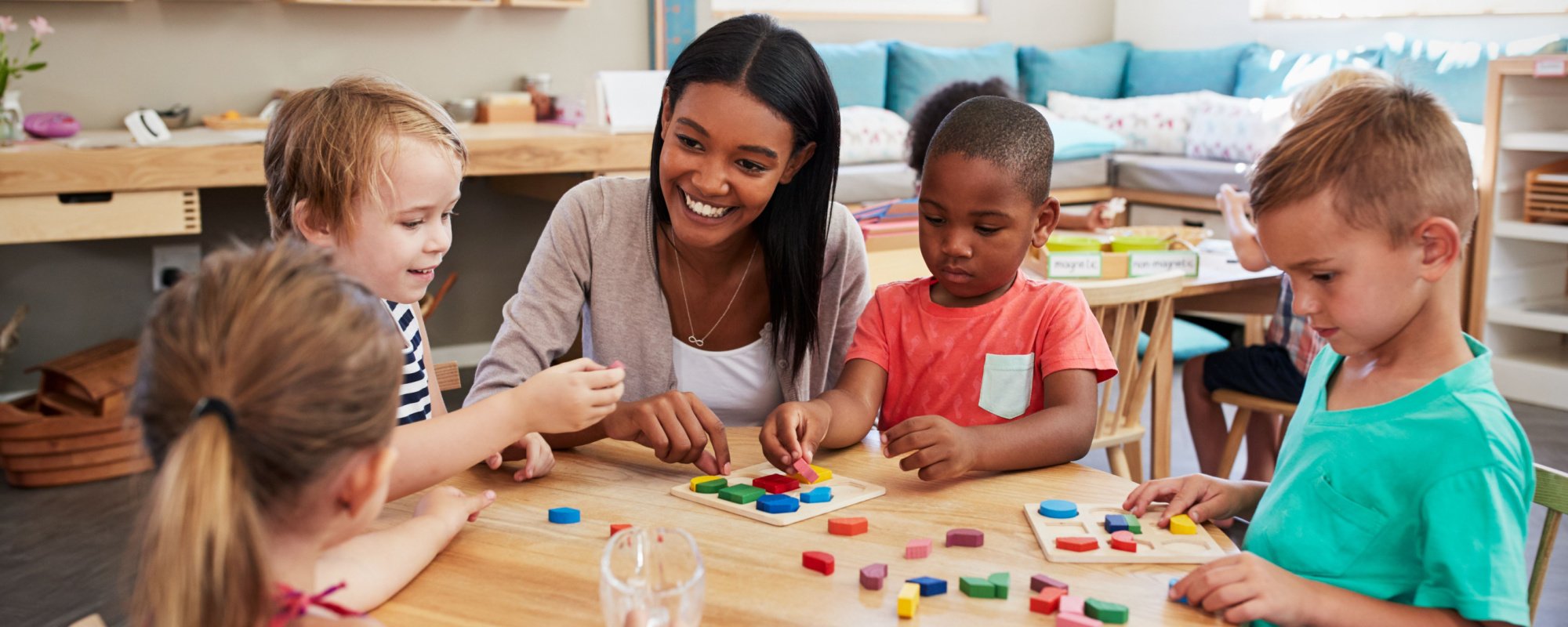
In a Montessori setting, teachers take on a fundamentally different role compared to traditional instruction. Rather than standing at the center of the classroom directing learning, they act as careful observers who step in only when support is truly needed. This approach gives children the space to explore challenges and develop problem-solving skills on their own.
Guiding Instead Of Directing
Montessori teachers provide gentle guidance through demonstrations, encouragement, and carefully timed support. Instead of giving step-by-step commands, they introduce concepts and allow children to engage with materials independently. This encourages children to think critically and experiment with different approaches rather than waiting for immediate answers.
By stepping back, teachers give children the opportunity to work through challenges at their own pace. This fosters resilience and helps them build confidence in their ability to figure things out independently, which is a key foundation of lifelong learning.
Encouraging Self-Correction
Many Montessori materials are designed with built-in control of error, allowing children to recognize when something is not correct without adult correction. This feature encourages self-reflection and problem-solving, as children learn to identify mistakes and try again independently.
This process reduces reliance on external validation and strengthens internal confidence. Over time, children begin to view mistakes not as failures, but as natural steps in the learning process, reinforcing persistence and independence.
Practical Life Activities That Build Real-World Skills
Practical life activities are a cornerstone of Montessori education, designed to connect classroom learning with everyday experiences. These tasks are not separate from academic growth—they are essential to it, as they help children develop coordination, responsibility, and independence in meaningful ways.
Everyday Tasks That Matter
Children engage in activities such as pouring liquids, dressing themselves, cleaning surfaces, preparing snacks, and organizing materials. While these may seem simple, they are carefully chosen to build fine motor skills, concentration, and self-care abilities.
These tasks also reinforce the idea that children are capable of contributing to their environment. As they master each activity, they gain a stronger sense of independence and pride in what they can accomplish without assistance.
Building Responsibility Through Routine
Daily routines in a Montessori classroom are structured in a way that encourages children to take ownership of their space. They are responsible for returning materials, cleaning up after activities, and maintaining order in the classroom environment.
These responsibilities help children understand that their actions have a direct impact on their surroundings. Over time, this builds accountability and reinforces the importance of contributing to a shared space.
Mixed-Age Learning And Peer Independence
Montessori classrooms typically include mixed-age groups, creating a natural environment for peer learning and collaboration. This structure allows children to learn not only from adults but also from one another, which plays a powerful role in developing independence.
Learning From Older Peers
Younger children naturally observe older classmates as they complete tasks with confidence and skill. This observation becomes a form of indirect learning, where children absorb new ideas simply by watching and interacting with peers.
This peer influence often encourages younger children to try new activities independently, building motivation and curiosity without direct instruction.
Developing Leadership Skills
Older children reinforce their understanding by guiding or assisting younger classmates. This experience helps them develop patience, communication skills, and a deeper sense of responsibility.
By taking on leadership roles in small, everyday interactions, older children strengthen their own independence while contributing positively to the learning community.
Emotional Independence And Confidence Building
Independence in Montessori education extends beyond academic and physical skills—it also includes emotional development. Children are supported in learning how to make decisions, manage frustration, and build confidence in their abilities.
Encouraging Decision-Making
Children are regularly given opportunities to choose their activities, decide how long to work on tasks, and select materials that interest them. These small but meaningful decisions help them develop confidence in their judgment.
As these experiences accumulate, children become more comfortable making larger decisions and trusting their instincts in new situations.
Building Resilience Through Experience
In a Montessori environment, mistakes are viewed as natural learning opportunities rather than problems to be corrected immediately by adults. Children are encouraged to try again, adjust their approach, and persist through challenges.
This mindset builds emotional resilience and helps children develop a healthy relationship with learning, where effort and persistence are valued over perfection.
The Role Of Structure In Supporting Independence
While Montessori education emphasizes freedom, structure plays an equally important role in ensuring that independence develops in a safe and supportive way. Consistency and clarity help children feel secure enough to explore confidently.
Consistent Daily Routines
Predictable routines give children a sense of stability, helping them understand what to expect throughout the day. This reduces uncertainty and allows them to focus their energy on learning rather than adjusting to unpredictability.
With this sense of structure, children are more comfortable acting independently, knowing that their environment remains consistent and supportive.
Clear Expectations And Gentle Guidance
Rules in a Montessori classroom are simple, respectful, and consistently reinforced. Instead of rigid control, children experience guidance that emphasizes understanding and cooperation.
This clarity helps children internalize expectations, making it easier for them to act independently while still respecting boundaries and classroom community values.
How Independence In Preschool Supports Lifelong Growth
The independence developed in a Montessori preschool setting extends far beyond early childhood. It becomes a foundation for how children approach learning, relationships, and challenges throughout their lives.
Strong Foundation For Future Learning
Children who develop independence early are more likely to approach future academic experiences with confidence and curiosity. They tend to be self-motivated learners who can manage tasks, solve problems, and stay engaged without constant supervision.
This early foundation supports long-term academic success and a positive attitude toward learning.
Life Skills Beyond The Classroom
The skills developed in a Montessori environment—decision-making, responsibility, focus, and self-discipline—extend into everyday life. These abilities help children adapt to new environments, manage responsibilities, and approach challenges with resilience.
As they grow, these foundational skills continue to support independence in school, relationships, and future careers.
Conclusion
A Montessori preschool near you supports independence by creating a thoughtfully prepared environment where children are not only allowed but actively encouraged to explore, make choices, and learn through direct experience. Rather than relying on constant instruction, children are guided to engage with materials, solve problems independently, and build understanding at their own pace. This structured freedom allows them to develop focus, responsibility, and confidence in a way that feels natural and empowering.
Through hands-on activities, purposeful routines, and respectful teacher guidance, children gradually develop a strong sense of self-reliance. They learn how to complete tasks independently, manage their behavior within a group setting, and take pride in their accomplishments. These daily experiences may seem simple on the surface, but they collectively shape a foundation of independence that supports both academic readiness and lifelong personal growth.
At Fountainhead Montessori School of Danville, this philosophy is consistently reflected in everyday classroom experiences. Children are given the time, space, and support they need to grow into capable, confident individuals. By nurturing independence from an early age, the school helps prepare students not only for future academic success but also for the challenges and responsibilities they will encounter throughout life.
FAQs
1. How Does Montessori Education Promote Independence In Young Children?
Montessori education promotes independence by giving children meaningful choices in their daily activities and encouraging them to take ownership of their learning. Instead of relying on constant instruction, children are guided to explore materials, solve problems, and complete tasks on their own within a structured and supportive environment. This approach helps them build confidence, decision-making skills, and a strong sense of responsibility from an early age.
2. What Role Do Teachers Play In Developing Independence?
In a Montessori classroom, teachers act as facilitators rather than traditional instructors. They observe each child closely, introduce lessons when appropriate, and provide gentle guidance when needed. Instead of directing every step, they allow children to work through challenges independently, stepping in only to support growth or clarify understanding. This encourages children to think critically and trust their own abilities.
3. Why Are Practical Life Activities Important In Montessori Preschool?
Practical life activities are essential because they connect classroom learning to real-world experiences. Tasks such as cleaning, pouring, dressing, and organizing help children develop coordination, focus, and self-care skills. These activities also teach responsibility and help children understand that they are capable of contributing meaningfully to their environment, which strengthens their independence.
4. How Does A Montessori Classroom Environment Support Self-Learning?
A Montessori classroom is intentionally designed to support self-learning by making materials accessible, organized, and engaging. Children are free to choose their work and repeat activities as needed, allowing them to learn at their own pace. This setup encourages curiosity, concentration, and problem-solving without requiring constant adult direction.
5. Does Montessori Education Help With Emotional Development?
Yes, Montessori education strongly supports emotional development by helping children build confidence, resilience, and self-awareness. Because children are encouraged to make decisions and learn from mistakes, they develop emotional strength and a healthy attitude toward challenges. Over time, this fosters independence not only in academics but also in how they manage emotions and interact with others.
Take The First Step Toward A Brighter Beginning
Ready to learn how Montessori philosophy shapes early education? Whether you’re just getting familiar with the approach or considering enrollment, we invite you to experience Fountainhead Montessori in person. Our campuses in Danville and Livermore offer toddler-through-preschool programs grounded in hands-on learning, independence, and respect for each child’s natural development, with optional before- and after-care for busy families.
Click below to schedule a personal tour, download our free parent guide, or review our transparent tuition rates. Have questions along the way? Our admissions team is here to help you decide if Montessori is the right foundation for your child’s early years.
Schedule a Tour | Download Our Parent Guide | View Tuition






Let us know what you think about this post
Put your Comment Below: