

Key Takeaways
- Here’s what you can expect a day in the life of a Montessori toddler program in Livermore to look like.
- Through child-led discovery and the absorbent mind, your toddler soaks up knowledge naturally by interacting with hands-on materials and relevant real-world experiences.
- Its rhythm, from soft arrival to calm departure, provides a steady framework that nurtures your child’s sense of comfort and promotes discovery inside and outside.
- Practical life skills are embedded in daily routines, allowing your toddler to take part in self-care, environmental stewardship, and respectful social interactions that foster confidence and responsibility.
- Our hidden curriculum is building independence, concentration, and empathy. Your child will gain skills that are essential to academic and personal success.
- As a parent, you work with teachers who are observers, facilitators, and communicators to make sure your child's individual interests and developmental needs are always nurtured.
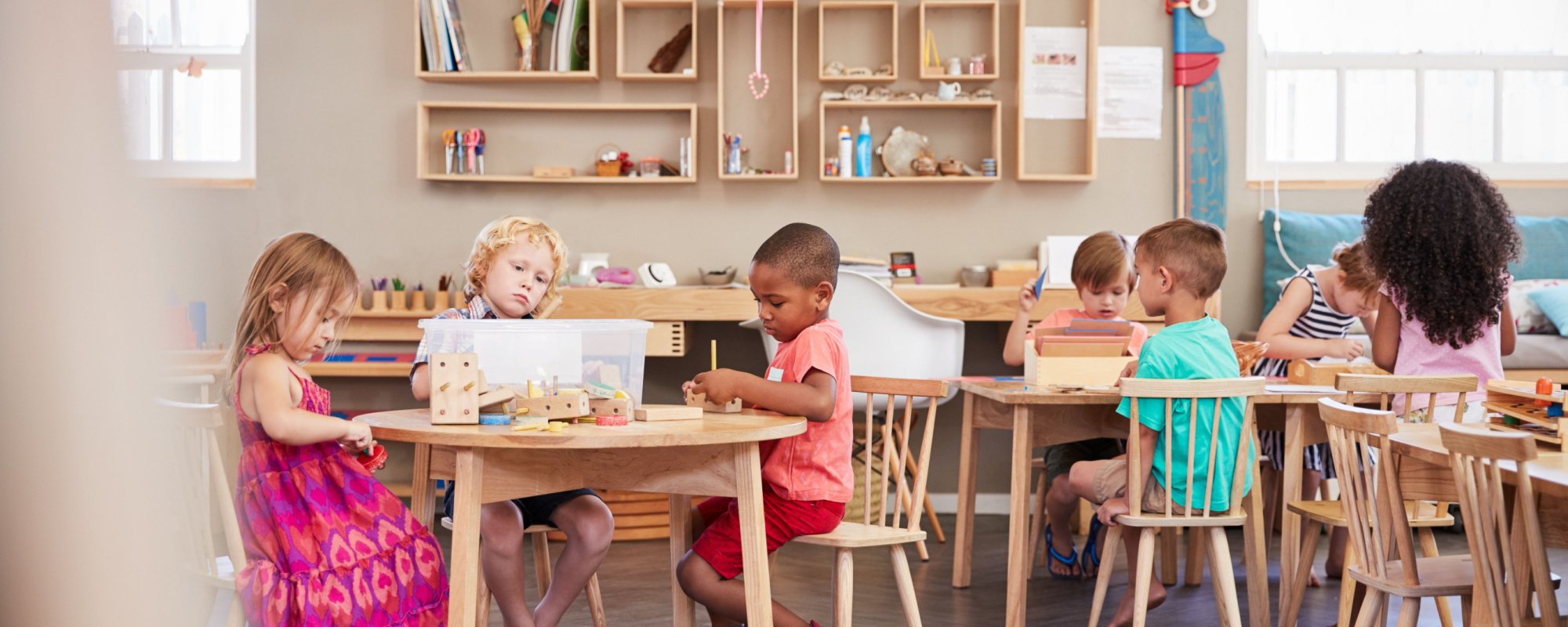
Here’s what a day looks like in one of our Montessori toddler programs in Livermore, giving your little one a peaceful, grounded environment to explore and thrive. You observe children enjoying their morning hours with tactile lessons, bouncing between work, snack, and play. Teachers direct each child, but your child selects their own activities and proceeds at their own pace. The classroom is arranged with real materials, little tables, and implements for small hands. They’re just as involved in the daily chores, like wiping tables or watering plants. Group time, outside play, and quiet rest come next. You receive a blend of education, nurturing, and open play tailored for your kid’s age and stage. The remainder of this post goes through each phase of the day in detail.
The Montessori Philosophy
Montessori philosophy rests on the faith that kids flourish when you allow them to be in charge of their education. This methodology believes in young minds pursuing their passions in a Montessori environment, learning at their own speed, and developing capabilities through practical life. In preparing an environment that is open to exploration, your direction molds a setting where autonomy and inquisitiveness flourish. Our toddlers in Livermore’s Montessori preschool programs thrive in this child-centered model, where practical life, hands-on learning, and community inform every minute.
- Child-led discovery is at the heart of Montessori, letting kids make choices and set their own path.
- The absorbent mind, as Montessori called it, explains how toddlers absorb information through their senses and experiences.
- The prepared environment provides children with the materials and space to experiment without risking catastrophe.
- Teachers are guides, not directors. They observe every child’s needs and interests to inform the day’s activities.
- Personal rhythms and fluid schedules honor every toddler’s needs, such as naps, meals, and nursing.
- Socialization and community are interspersed with group time, cooperative work, and common duties.
Child-Led Discovery
Montessori toddlers choose their own activities. You watch them select activities such as pouring water, sorting beads, or watering plants, developing independence day by day. This choice empowers kids because they learn how to make decisions and own the outcomes.
They get to pursue what most interests them. If a child adores music, the guide could lay out some basic instruments. If one is attracted to puzzles, they are accessible. Such immersion frequently results in a more robust understanding and enhanced delight.
As students progress, they address actual challenges, such as determining how to distribute supplies or complete a puzzle. They experience trial and error, test concepts, and learn from small flubs.
Curiosity is nurtured and appreciated. When you champion a child’s inquiries, you cultivate lifelong confidence and thinking skills. This curiosity-based attitude allows them to discover innovative solutions and view learning as a lifelong endeavor.
The Absorbent Mind
Toddlers are expert knowledge absorbers. In Montessori, you leverage this by ensuring the environment is sensory-rich. They taste, touch, listen, and look, learning from every minute.
Teachers present children with materials that are logical to their hands and minds. These could be wooden blocks, flannel squares, or little pouring pitchers. These things assist them with matching sounds to letters or observing shapes and patterns.
Learning materials aren’t just for fun. They compel kids to strategize, categorize, and invent. This ignites both imagination and rationality.
Sensitive periods are important. These are periods when your kid is primed to learn a particular skill, such as language or movement. The program pays attention to these cues and provides just the right lesson at just the right moment.
A Prepared Space
Montessori classrooms are organized for accessibility. Shelves are low, and materials are sized for small hands. Everything is clearly labeled so kids can locate what they desire.
Every zone serves a different focus. One is for art, one is for practical life, and one is for building or reading. This allows your child to select what suits their mood and needs.
Clutter-free, quiet environments assist kids in concentrating. There is order on every shelf and mat, which helps kids remain focused.
Nature is ever in the classroom. Plants, wood, and natural light warm spaces and make them peaceful. Outdoor play is incorporated when weather permits, developing gross motor skills and providing new things to discover.
A Montessori Toddler's Day
Livermore’s own Montessori toddler day hums to a rhythm, part structured and part free-form, embodying the principles of the Montessori method. You’ll notice a day formed around a consistent schedule, yet one that still flexes to your toddler’s demands and the time of year. It’s a healthy mix of work periods, play, meals, and rest, a balance that makes your little one feel safe yet supported to grow in an authentic Montessori environment.
- Early start around 7:00 to 7:30 a.m., with breakfast like cereal or oatmeal.
- Gentle arrival with calm greetings and parent participation
- Uninterrupted work cycle until around 10:00 am
- Community snack and practical life activities
- Outdoor exploration and nature-focused play
- Lunch is around 11:30 AM to 12:00 PM, with healthy small meals.
- Afternoon free play, outings, or rest
- Peaceful departure and bedtime routine from 6:30 to 7:00 PM, including reading and songs.
1. Gentle Arrival
Arrival in a Montessori classroom is a calm and slow transition, centered on gently settling your little one into the day. Parents' time morning goodbyes create trust and a sense of safety for children. Staff greets every child by name, and the room is prepared with soothing lights and relaxing music. Your child selects a starting activity—perhaps a balance game or sorting work at the sensory table. Known rhythms, such as hanging up coats or doing hand washing, aid the child in settling and begin to feel primed for learning in a Montessori environment.
2. The Work Cycle
The Montessori work cycle is a vital part of your day, typically around two hours, when your child selects work and engages in activities at their own pace. This uninterrupted time allows your child to fully immerse themselves in tasks like pouring grains, matching colors, or exploring new activities such as bead threading. In a Montessori classroom, teachers observe and note without intervening to plan the next steps. This independence nurtures your child’s confidence, fine motor skills, and critical thinking abilities, essential aspects of their development during these formative years.
3. Community Snack
Snack time in a Montessori classroom is about more than just food; it serves as a social and learning occasion. Children sit at a low table, share food and water, talk, giggle, and pick up on some elementary etiquette. At times, they assist in getting the snack ready, peeling fruit, or portioning out cereal, which develops independence and life skills. The Montessori teacher promotes discussion while maintaining a tranquil atmosphere, allowing children to feel part of the group and grounded in the community.
4. Outdoor Exploration
Outdoor time is included every day, rain or shine, as part of the Montessori environment. They go outside to the yard or garden to run, climb, dig, or play balance games. Certain days feature a nature walk or a visit to the aquarium or kids’ museum, enriching their Montessori preschool experience. These excursions allow your toddler to inquire, discover, and experience movement while collaborating with their peers to construct towers or engage in tag games, thereby learning to cooperate and address challenges collectively. Nature-based activities, like collecting leaves or watering plants, ignite that sense of curiosity and wonder.
5. Peaceful Departure
At the end of the day in a Montessori preschool, the atmosphere is calm and unhurried. Teachers assist your little one in cleanup, collecting their work, and transitioning to home. You might receive a brief note about what your child did or liked during their daily activities. There’s no rushing goodbyes, and teachers help your child review their day, perhaps with a silent tale or ditty prior to departure. This daily ritual provides your toddler with a feeling of safety and anticipation for the following day.
Practical Life Skills
Montessori toddler programs in Livermore utilize practical life skills as the foundation of everyday learning within an authentic Montessori environment. These skills provide your child with a sense of being and belonging, allowing them to participate in real life on a daily basis. The fundamental curriculum encompasses caring for the self, caring for the environment, grace and courtesy, and movement of objects. Teachers introduce these skills incrementally, starting with easy tasks and progressing to more complex ones as children improve. Child-sized materials and an encouraging Montessori classroom make your child feel capable and prepared. The daily schedule incorporates these skills into tasks such as snack preparation, plant watering, and clean-up. By affording your child options regarding which tool to use and which work to do, you allow them to take ownership of their work. Repeating each task enables your child to establish habits, develop independence, and customize skills to their own level and speed.
Self-Care
- Washing hands with soap and water
- Brushing teeth after a snack
- Dressing and undressing, putting on shoes
- Wiping nose using tissues
- Combining hair and washing face
- Feeding themselves using utensils
- Putting away personal belongings
- Carrying their own bag or water bottle
In a Montessori classroom, kids discover how to dress themselves, developing independence and self-reliance. Selecting their own shirt or buttoning a coat are stepping-stones to mastery over self. Handling their own belongings, such as taking off their shoes or hanging up their jacket, instills a sense of order and respect for their personal space. You can practice these skills during the afternoon activities in the classroom and at home, like packing a lunch or setting the table. Gradually, your child figures out how to follow through with routines such as brushing teeth or washing hands without being reminded, fostering self-discipline and ownership over their well-being.
Environmental Care
Kids do little household chores to develop a respect for their environment. They may sweep the floor, wipe tables, water plants, or recycle paper. With child-sized brooms and dustpans, your little one discovers how to use tools that conform to their hands, making the chore doable and fun.
Teaching the proper care of classroom tools is crucial. Your kid figures out how to carry an egg without breaking it, serve water without spilling it, or fold a napkin. Every action constructs attention and affection. Sustainability is part of the routine. Kids assist with recycling sorting, composting kitchen scraps, and can even participate in basic gardening activities such as planting seeds or watering. These communal tasks build collaboration and community. When your child collaborates with others to maintain order and cleanliness in the classroom, he realizes that all hands on deck are indispensable.
Grace And Courtesy
Teachers demonstrate kind words, soft voices, and patient ears. Your child mimics these behaviors through everyday repetition. Basic salutations, such as please and thank you, and waiting their turn, contribute to communal existence.
Role-play teaches kids new behaviors. Situations like toy sharing, requesting assistance, or including a playmate provide your child with a risk-free environment to experiment with social skills. When a conflict arises, teachers lead children to communicate, hear each other, and troubleshoot as a team. Kindness is taught by example and sustained with commendation. Empathy develops as your child begins to observe how people are feeling and act with compassion. Through guided chats, group meetings, and quiet reflection time, children learn to practice clear and kind communication.
The Unseen Curriculum
The hidden curriculum in a Montessori toddler program is just as important as the explicit one. Outside of letter tracing or bead counting, your child is learning in ways you may not immediately notice. These lessons are stitched into life — easy habits, social instances, and focused labor within a Montessori environment. They influence your child’s self-perception and perception of others and how they enter the world. This day’s cadence, complete with elective work and deep work cycles, constructs individual and communal skills that transcend the Montessori classroom.
Fostering Independence
Independence lies at the heart of the Montessori method. Your kid makes decisions, whether it's selecting a snack or which activity to begin with in their Montessori classroom. Every day, small tasks like doing up shoes, folding a napkin, or pouring water empower children to take control of their learning. These actions may seem trivial, but they are significant. Each independent assignment fosters autonomy. By allowing your child to attempt, stumble, and try again, you provide them space to take secure risks, building confidence and resilience that will stay with them for life.
Kids are given the time and space to complete work at their own pace within the Montessori environment. When a toddler zips a jacket independently, they feel empowered, perceiving their efforts as meaningful. Teachers pay attention, applaud these successes, and prepare the soil for further development, celebrating even incremental progress as the foundation of future learning.
Building Concentration
Focus flourishes most in a serene setting. Montessori mornings begin with a predictable ritual, establishing a rhythm for work-focused activities. Kids know what’s next, which helps them with concepts of time and order. The cycle of deep work includes no-interruption periods that let your child immerse himself in a task. They use tangible objects, like transferring rice from one bowl to another, to hone concentration. These items are selected to captivate, not divert.
Assignments have well-defined starts and stops. This encourages your child to stick with it and complete. It’s in these moments that they learn to persevere with a challenge. When something is hard, they don’t quit immediately. Instead, they dig in a little deeper. They develop grit over time. These skills serve them down the road, not only in academics but in daily work.
Nurturing Empathy
In a Montessori classroom, tolerance develops through group projects and thoughtful notes. Kids engage in activities that require collaboration, such as constructing a tower or laying the table. They learn to wait their turn and listen, while teachers discuss feelings with them, using simple language to identify emotions like happiness, anger, or melancholy. This practice allows children to recognize and express their own emotions while observing the experiences of others.
Adults also demonstrate compassion, soothing upset children or helping resolve conflicts between peers. Over time, kids mimic these behaviors, learning to console a crying playmate or share toys willingly. A strong sense of community is fostered in the classroom, prioritizing kindness through activities like group clean-ups or communal snacks. This inclusive environment not only benefits their early childhood development but also reinforces social skills during playdates and group outings, teaching them to interact positively with diverse peers.
The Role Of The Guide
A Montessori toddler guide molds the day’s flow with attentiveness, wisdom, and adaptability, particularly within a Montessori environment. Your style is less telling and more empowering, as you establish a supportive atmosphere for young children to experiment, discover, and socialize. By listening to each child’s interests, you allow them to steer their learning in a pseudo-structured environment that emphasizes the Montessori method. The table below outlines the distinct functions Montessori guides fulfill in a toddler classroom.
|
Role |
Key Focus |
Practical Example |
|
Observer |
Watch, recognize, document |
Quietly note a child’s interest in pouring water |
|
Facilitator |
Provide tools, support, and freedom |
Place new puzzles on shelves for self-choice |
|
Communicator |
Build trust, share insights |
Meet parents to discuss developmental progress |
An Observer
In a Montessori classroom, you see how kids do their work. Some jump in, while others observe before attempting. You notice how they tackle problems or play with classmates, observing what type of learner each child is. Silently observing, you can identify who requires assistance, who needs space, and who is ready for new challenges.
Your notes from these moments guide what you present next. If a child practices pouring repeatedly, you’re going to demonstrate how to use a funnel. If you see a kid stacking blocks with increasing ability, you bring out more complicated building sets. These decisions arise from your observations, rather than a rigid schedule.
Spotting milestones is crucial. You observe when a toddler first shares or uses new words, tracking these shifts to adjust activities accordingly. Rigorous record-keeping helps you map out what each child receives, aligning with their stage and interests within the Montessori environment.
You jot down your observations, from minor victories to challenges. This log not only informs future lessons but also allows you to communicate progress to parents. With your logs, no two days are the same, and every classroom schedule reflects the actual needs of the children.
A Facilitator
You lay out options that match the kids’ age and interests, varying them as you see what engages. When you are at work, you allow kids to choose their own activities, even if that involves repetition or taking a break. You intervene when necessary, never usurping, but always willing to prompt or pose leading questions.
You demonstrate how to operate new instruments and then give every youngster a chance. When they mess up, you urge them to try again, instilling confidence. Kids clean up their projects and nurture their environment, teaching order and respect.
Occasionally, you collect mini groups, fueling discussion and collaboration. You intersperse scheduled instruction with opportunities for kids to participate or observe. These communal hours open up space for camaraderie and creativity.
You thrive on watching curiosity blossom. When your child asks “why,” you introduce books, stories, or activities. You remain innovative and relevant to what is important to every single kid.
A Communicator
You keep parents in the loop, not just sending reports, but real talk about their kids' days and development. You request their opinions and welcome them in for discussions. Thus, studying seems like a collaboration.
You inquire what families observe at home, using their input to modify your plans. This back-and-forth keeps the program nimble and robust.
You discuss each child’s interests, challenges, and ambitions. This bridges school and home, ensuring that both worlds support development.
You ensure parents are welcomed to participate in circle times, special celebrations, or everyday activities. This creates enduring trust and demonstrates to families that their status as a guide is respected.
Benefits For Your Toddler
A Livermore Montessori toddler program provides your little one the opportunity to develop a lifetime of growth through the Montessori method. This approach is based on a profound respect for every child’s journey, allowing them to move, think, and act as they please. You watch your little one’s personality and intellect sprout in an environment that’s secure, inviting, and oriented to authentic Montessori education. This brings us to the table below that breaks down the benefits by area of growth.
|
Developmental Area |
Key Benefits |
Examples in the Montessori Setting |
|
Social |
Peer interaction, teamwork, communication, respect for others |
Group clean-up, snack sharing, waiting turns, greeting friends |
|
Emotional |
Self-control, empathy, confidence, resilience, self-worth |
Comforting peers, expressing feelings, making choices, caring for plants |
|
Cognitive |
Focus, problem-solving, memory, early math/language skills |
Sorting objects, puzzles, matching games, and story time |
Independence is the express objective in a Montessori classroom. Your toddler gets to select their own work during the work period, transfer it to a mat or table, and replace it when finished. This everyday exercise cultivates confidence in their decisions and abilities. The Montessori classroom is designed specifically to suit their size and needs, so shelves are low, tools are mini-sized, and everything has a place. By allowing your child to attempt things on their own, such as pouring water, dressing their own shoes, or wiping up a spill, they develop the skills to solve problems and tend to their own needs. When they try things independently, toddlers earn pride and learn that they can handle small disappointments. Here’s how Montessori prepares them for tougher challenges as they age.
Social skills in a Montessori program are constructed through collaborative play and group work. Kids frequently collaborate in small groups, developing the art of speaking up, listening, and exchanging ideas. For instance, two toddlers could team up to carry a basket of blocks or help with setting the snack table during lunch time. They learn to take turns, assist, and observe how others are feeling. The Montessori teacher then guides them to express kindness verbally and physically. All of these little steps cultivate empathy and respect for others, which are crucial for solid friendships and teamwork down the road.
The enduring worth of Montessori extends well beyond the preschool years. The blend of liberty and structure, along with authentic, experiential lessons, provides your kid with the foundation for learning for life. Your toddler discovers how to collaborate solo and in pairs, how to persevere, and how to experiment fearlessly. The habits they develop, such as selecting their own work, tidying up, and nurturing others, will stick with them. These aren’t just school skills but life skills, giving your child a strong foundation for the years ahead.
Conclusion
A day in a Montessori toddler program in Livermore unfolds with deliberate cadence and well-defined intent. Each toddler discovers at his or her own rate. Guides step in with gentle assistance, not harsh orders. You watch children pour water, sweep floors, match colors, and share with buddies. The room is calm, industrious, and brimming with little victories. Your child learns not only numbers and words but also how to think, move, and care for others. You see skills develop, one day at a time, small, authentic advancement. To find out more or witness it firsthand, contact a school in your area. Your child’s journey can begin here, in Livermore, with experiential education and authentic happiness every step of the way.
Frequently Asked Questions
1. What Does A Typical Day Look Like In A Montessori Toddler Program In Livermore?
In our Montessori preschool, your child will experience hands-on activities, free movement, and guided group time during the typical daily schedule. Our days are filled with activities such as practical life tasks, afternoon snacks, outdoor play, and ample opportunities for independent learning.
2. How Does The Montessori Approach Benefit My Toddler?
Your toddler discovers at their own speed in a Montessori classroom, strengthens their confidence, and grows independence. The Montessori method encourages social, emotional, and cognitive development in a nurturing, child-focused environment.
3. What Are Practical Life Skills In A Montessori Toddler Program?
Practical life skills, such as pouring water and dressing, are essential activities in a Montessori preschool that help children cultivate coordination, concentration, and a sense of responsibility during their daily schedule.
4. Who Is The Guide In A Montessori Classroom?
Your guide in the Montessori classroom is a trained teacher who watches, supports, and softly directs your child, fostering a safe, authentic Montessori environment for critical thinking and problem solving.
5. Is The Montessori Curriculum The Same Everywhere?
The basic Montessori philosophy is consistent across all Montessori schools, adapting to local culture while emphasizing personal development and independence, crucial for young children during their formative years.
6. How Will I Know If My Child Is Progressing In A Montessori Classroom?
You’ll receive frequent updates, observations, and feedback from Montessori teachers. You will notice your child’s growing independence, problem-solving skills, and enthusiasm for learning in the Montessori environment.
7. What Ages Can Join A Montessori Toddler Program?
Many Montessori toddler programs, part of the authentic Montessori environment, accept kids from 18 months to 3 years, helping your little one establish robust learning foundations.
Where Independence Begins: Montessori Toddler Care In Livermore
The toddler years move fast, and they matter more than most parents realize. This is when language takes off, independence begins to form, and confidence grows. At Fountainhead Montessori, our Montessori toddler care program in Livermore is designed to support your child's growth in a way that feels natural, calm, and exciting.
Here, toddlers don’t just “stay busy.” They choose activities, build real skills, and start communicating in meaningful ways. With early exposure to Spanish and Mandarin, plus hands-on sensory learning, your child is constantly developing, often in ways you’ll notice at home within weeks.
You’ll see it in the small moments. Cleaning up independently. Using new words. Focusing longer. Smiling with pride after completing something on their own.
Our Livermore campus offers toddler through preschool programs, along with before and after-care options that make life easier for busy families. And once you step into the classroom, you’ll understand right away why families choose Fountainhead Montessori.
Ready to see it for yourself? Schedule a tour, download our parent guide, or take a look at our clear, upfront tuition.






Let us know what you think about this post
Put your Comment Below: