

Finding a preschool with openings near you can feel surprisingly difficult, especially when your child is ready to start soon, and many local programs have waitlists. Popular preschools may fill their classrooms months in advance, while other programs may have limited schedules, age restrictions, or enrollment periods that don’t match your needs. If you are searching for “preschool with openings near me,” the good news is that limited availability does not mean you are out of options.
The key is to broaden your search strategically, contact programs directly, ask about upcoming openings, and evaluate whether a nearby preschool can meet your child’s needs even if it was not your original first choice. With a little flexibility and a focused approach, you may find an appropriate preschool placement sooner than expected.
Key Takeaways
- Limited preschool availability does not necessarily mean there are no nearby options.
- Contact preschools directly because openings can change as families adjust their plans.
- Ask about current openings, upcoming enrollment, waitlists, part-time spaces, and different classroom schedules.
- Consider nearby neighborhoods and communities if your immediate area has limited availability.
- Compare programs based on quality, safety, curriculum, schedule, location, and overall fit rather than availability alone.
- Joining a waitlist can be worthwhile when a preferred preschool is a strong fit.
- Ask whether a preschool offers tours or enrollment consultations so you can make a confident decision quickly.
- Keep your search active even after finding one available option, particularly if you are considering multiple programs.
- Start the enrollment process promptly when you find a preschool that meets your family’s needs.
Why Is It So Difficult To Find A Preschool With Openings Near Me?
Preschool availability can be limited because programs typically have a fixed number of classroom spaces. Unlike some services that can accommodate additional customers relatively easily, early childhood programs must maintain appropriate classroom ratios and operate within their available space.
Demand can also vary throughout the year. Certain enrollment periods may attract a large number of families, while other times may have more opportunities because children are moving into kindergarten or families are changing their childcare arrangements.
Preschool Classrooms Often Have Limited Capacity
Preschools generally cannot continue enrolling children once their classrooms reach capacity. Classroom size, staffing, age groups, and applicable regulations can all influence how many children a program can accept. This means a preschool may have an excellent reputation and strong demand but only a small number of openings at any given time.
An opening may not become available until another child leaves the program or moves into a different classroom. As a result, a school that appears to have no availability today could potentially have an opening in the near future.
Age Groups And Schedules Affect Availability
Availability is not always simply a matter of whether a preschool has a space. A program may have an opening for one age group but be full for another. Similarly, it might have space for a full-day student but no availability for a part-time schedule. Your child's age and the schedule you need can therefore significantly affect your search.
When contacting a preschool, provide specific information about your child's age, preferred start date, and desired schedule. This allows the enrollment staff to tell you whether an available space actually matches your needs.
Seasonal Enrollment Can Increase Demand
Many parents begin searching for preschool around the same time, particularly before a new school year begins. This can create significant competition for available spaces. Enrollment does not necessarily remain static throughout the year. Children may leave because their families move, change childcare arrangements, or transition to kindergarten. These changes can create unexpected openings.
For this reason, checking availability periodically can be worthwhile even if a preschool initially tells you that it is full.
What Should I Do If Nearby Preschools Are Full?
If the first few preschools you contact are full, avoid stopping your search too soon. A full classroom at one preschool does not mean that every nearby program has the same situation. The best strategy is to contact multiple programs and ask about both current and upcoming availability.
Contact Preschools Directly About Openings
Online searches are useful for finding local programs, but they may not always provide the most current enrollment information. A preschool's website might not immediately reflect a newly available space. Likewise, an online directory may show general information without indicating whether a classroom currently has an opening. Calling or emailing the preschool directly can provide more useful information.
Instead of simply asking whether the school has openings, explain your situation. Tell the preschool your child's age, when you would like to start, and whether you need full-time or part-time care. This gives the school a clearer understanding of what you are looking for.
Ask About Upcoming Preschool Availability
If there is no immediate opening, ask whether the preschool expects one soon. A child may be scheduled to leave at the end of the month, or the school may be preparing enrollment for an upcoming classroom transition. Ask questions such as when the next enrollment period begins and whether any spaces are expected to become available before then. You can also ask when the best time would be to follow up. This simple step can keep you informed without requiring you to repeatedly make random inquiries.
Join A Preschool Waitlist
If a preschool appears to be a strong fit for your family but currently has no space, joining the waitlist may be worthwhile. Ask how the waitlist works and whether you need to complete an application or provide documentation. It is also helpful to understand whether the school contacts families automatically when an opening becomes available or expects parents to check back periodically.
A waitlist should not necessarily be your only plan. Continue exploring other preschools while remaining on the list for your preferred program.
Expand Your Search For Preschool Openings
When preschool availability is limited in your immediate neighborhood, expanding your search area can create additional possibilities without requiring a major change to your daily routine.
Search Nearby Neighborhoods And Communities
A preschool a few minutes outside your immediate neighborhood may have a completely different enrollment situation. Consider nearby communities that are still convenient for your family. A slightly larger search radius can give you access to more programs while keeping the commute manageable.
Instead of searching only for “preschool with openings near me,” try combining preschool-related searches with nearby neighborhoods or communities. This can help you identify programs that may not appear in a very narrow search.
Consider Preschools Along Your Daily Commute
Location should be considered in relation to your entire daily routine. A preschool does not necessarily need to be located directly between your home and work. A program near your workplace, another child's school, or a frequently traveled route could also be convenient. Consider how long drop-off and pickup would realistically take during your normal schedule. A preschool that is technically farther from home may actually be easier to reach if it fits naturally into your daily commute.
Look At Alternative Preschool Schedules
If your preferred schedule is limiting your choices, ask whether other schedules are available. For example, a preschool may have no openings for a five-day full-day schedule but may have space for a different arrangement.
Depending on your family's circumstances, part-time attendance or a different combination of days could provide a temporary or long-term solution. You don’t need to change your entire childcare plan immediately. Simply asking about different scheduling options can reveal possibilities you might otherwise miss.
How Can I Find Preschool Openings Faster?
When you need preschool soon, an organized search can save time and make it easier to compare your options. Rather than contacting programs randomly, create a short list of preschools that appear to meet your basic requirements.
Use Several Local Preschool Search Terms
Using different search phrases can help you find a wider range of programs. In addition to “preschool with openings near me,” consider searches such as “preschool enrollment near me,” “preschool accepting new students,” “preschool openings,” “preschool accepting applications,” and “childcare with preschool openings.”
You can also add your child's age or desired schedule. For example, searches for preschool for three-year-olds, full-day preschool, part-time preschool, or pre-K openings may produce different local results. Online searches should be used to identify potential programs rather than treated as confirmation of current enrollment.
Keep Your Enrollment Information Ready
When an opening becomes available, being prepared can help you move through the enrollment process efficiently. Preschools may request various documents or forms as part of registration. Requirements vary by program, so ask for an enrollment checklist when you contact the school. Keep important information organized so you can respond promptly if you decide to accept a space. This can be especially helpful when availability is limited, and a preschool cannot hold an opening indefinitely.
Follow Up With Preschools Regularly
If a preschool tells you that it is currently full, ask when you should check back. Availability can change, and following up at an appropriate interval may help you learn about a new opening. You don’t need to contact the school constantly. A simple follow-up based on the timeline provided by the preschool can keep your family on its radar.
How Should I Evaluate A Preschool With An Opening?
Finding an available space is exciting, but availability should not be the only factor in your decision. The preschool needs to be a good fit for your child's developmental stage and your family's practical needs.
Consider Your Child's Age And Developmental Needs
Ask which classroom your child would join and how the program structures activities for that age group. Young children develop at different rates, so it is useful to understand how teachers support children's social, emotional, cognitive, language, and physical development. If your child has particular routines, developmental considerations, or other needs, discuss them with the preschool before enrolling. Open communication can help you determine whether the program is equipped to provide an appropriate experience.
Review The Preschool's Daily Schedule
A preschool's daily routine can tell you a great deal about the experience your child will have. Ask how the day is structured and how the program balances teacher-guided activities with play, outdoor time, meals, rest, and transitions. Also consider whether the hours work with your family's schedule. A preschool may have an opening, but if its operating hours make drop-off or pickup difficult, the arrangement may not be sustainable.
Evaluate The Classroom Environment
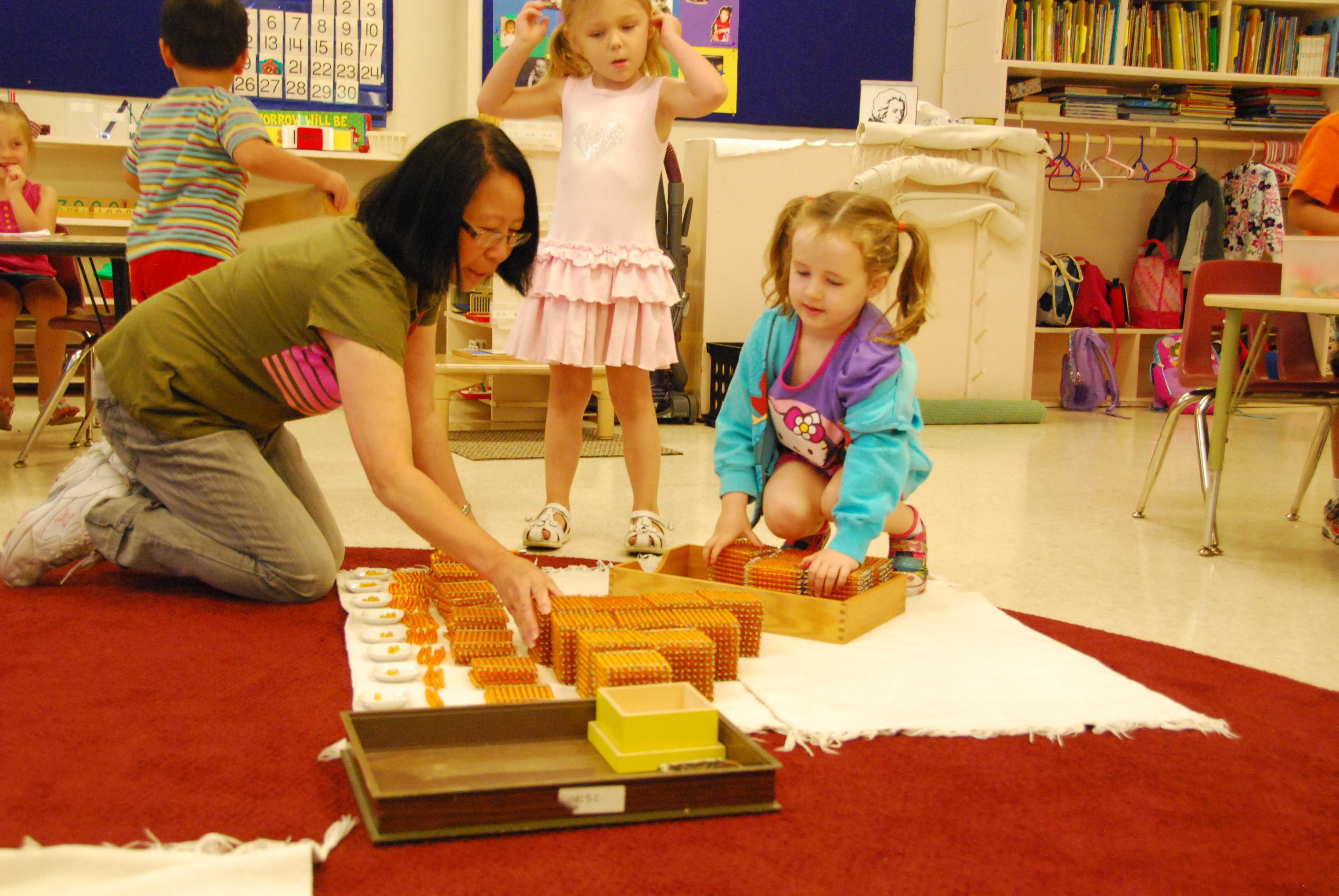
Whenever possible, visit the classroom before making a decision. Observe whether children appear engaged and whether teachers interact with them in a warm, respectful, and attentive manner. Look at the learning materials, activity areas, outdoor spaces, and general organization of the environment.
You are not simply looking for a visually attractive classroom. You want to understand whether the environment appears appropriate for young children and supportive of learning and development.
Ask About Safety And Parent Communication
Parents should feel comfortable asking how the preschool approaches safety and communication. Ask about arrival and pickup procedures, supervision, emergency procedures, and how the school communicates with families. You can also ask how parents receive information about their child's day and whom to contact when questions arise. Clear communication can make the transition into preschool easier for both parents and children.
Should I Tour A Preschool Before Enrolling?
If possible, schedule a tour before accepting an opening. A tour allows you to see the preschool beyond its website, advertisements, or enrollment information.
What To Look For During A Preschool Tour
Pay attention to the atmosphere as you walk through the program. Notice how teachers speak with children, whether classrooms are organized, and whether children appear comfortable participating in activities. Look at the available learning materials and spaces for active play, quiet activities, outdoor time, and daily routines. You should also consider whether the overall environment feels appropriate for your child. Your impression during a tour cannot answer every question, but it can help you make a more informed decision.
Questions To Ask Preschool Teachers And Directors
Use the tour as an opportunity to ask specific questions. You might ask about classroom size, daily schedules, teacher experience, enrollment procedures, tuition, meals, rest periods, communication, and policies that are important to your family. If your child has a particular routine or need, explain it clearly and ask how the preschool would handle it. The goal is to understand what daily life would look like for your child.
What If You Cannot Visit In Person?
Sometimes parents need to make decisions quickly or cannot easily visit during operating hours. If an in-person tour is not possible, ask whether the preschool offers a virtual tour or another way to see the classroom environment. You can still ask detailed questions about the program, schedule, teachers, enrollment process, and policies. If possible, arrange an in-person visit before your child's first day, even if the initial enrollment decision must happen quickly.
Should I Choose The First Preschool With An Opening?
An immediate opening can be valuable, especially when you urgently need childcare. It is worth taking a moment to determine whether the preschool actually meets your family's needs.
Compare Availability With Overall Program Fit
Availability is one part of the decision rather than the entire decision. A preschool may have an opening today but may not offer the hours, environment, location, or educational approach that your family needs. Another preschool might have an opening beginning a few weeks later and be a much better long-term fit. Consider the complete picture before committing.
Consider Tuition, Location, And Schedule
Cost and convenience can have a significant impact on whether a preschool arrangement works over time. Review tuition, registration costs, payment policies, operating hours, holidays, and other relevant policies. Then consider the daily commute and whether the schedule aligns with your work and family responsibilities. An affordable preschool with an inconvenient schedule may create more challenges than expected.
Know Which Preschool Features Matter Most
When choices are limited, identify your non-negotiable requirements. Safety, appropriate supervision, a suitable classroom environment, and a workable schedule may be more important than a particular optional feature. Once you know which factors matter most, it becomes easier to compare programs objectively. You may also find that a preschool you had not originally considered meets your priorities surprisingly well.
What If My Preferred Preschool Has A Waitlist?
It is common for popular preschool programs to have waitlists. Being placed on one does not necessarily mean you should stop searching elsewhere.
Ask How The Waitlist Works
Find out how children are added to the list and how families are contacted when spaces become available. Ask whether you need to submit an application, pay a fee, provide documentation, or update your information periodically. Understanding the process can help you determine how realistic the waitlist is for your desired enrollment date.
Continue Looking At Other Preschool Options
While waiting for your preferred program, continue contacting other preschools. You may find another school that offers immediate availability and meets your family's needs. Keeping several options open also reduces the pressure of relying entirely on one preschool.
Follow Up When New Spaces Become Available
If the preschool gives you a recommended follow-up date, make a note of it. A short and polite inquiry can help you stay informed about changes in enrollment. If your availability or desired start date changes, let the preschool know so its staff has accurate information.
Can Flexibility Help You Find Preschool Availability?
When local availability is tight, flexibility can significantly increase your options. You don’t have to compromise on important needs, but adjusting less critical preferences may make it easier to find an appropriate opening.
Consider A Different Start Date
If your childcare situation allows it, ask whether another start date would provide more options. A preschool may have no opening immediately but expect a space to become available within several weeks. Conversely, a newly available space may require your child to start sooner than originally planned. Knowing how flexible your timeline can be helps you communicate more effectively with preschool programs.
Explore Part-Time Preschool Options
If full-time enrollment is unavailable, ask about part-time spaces. Part-time preschool may work for families who have other childcare arrangements or flexible work schedules. Even if part-time enrollment is not your ideal long-term arrangement, it may provide an option while you wait for a full-time opening.
Expand Your Preferred Search Area
Increasing your search radius slightly can also improve your chances. Look at neighboring communities and areas that are still practical for daily drop-off and pickup. The best preschool option may not be the one closest to your front door. It may be the one that offers the right combination of availability, quality, schedule, and convenience.
What Questions Should I Ask About A Preschool Opening?
When a preschool says it has an opening, make sure you understand exactly what is being offered before committing.
Questions About Enrollment And Availability
Ask when the space becomes available, how long it can be held, and what steps are required to secure it. Confirm whether the opening is permanent or tied to a specific enrollment period. If the space is not available immediately, ask when enrollment can begin.
Questions About The Classroom And Teachers
Find out which classroom your child would join and who would be teaching it. Ask about the classroom routine, teacher experience, group size, and how activities are structured for your child's age. These details can help you understand what your child's daily experience may look like.
Questions About Tuition And Policies
Before enrolling, ask for clear information about tuition, registration fees, payment schedules, holidays, absences, pickup procedures, and other policies that may affect your family. Understanding these details beforehand can prevent misunderstandings later.
When Should I Start Looking For Preschool?
Starting your search early can give you more choices, but families sometimes need preschool unexpectedly. A move, change in work schedule, transition from another childcare arrangement, or a child's changing needs can create an immediate need for enrollment.
Why Starting Early Can Help
Beginning your search early gives you time to research different programs and compare their environments. You can schedule tours, ask questions, join waitlists, and prepare enrollment documents without the pressure of an immediate deadline. Early planning is particularly helpful if you have specific scheduling or program requirements.
What To Do When You Need Preschool Immediately
If you need a preschool space right away, focus on programs that can provide clear information about current availability. Contact several preschools rather than waiting for one program to respond. Ask about immediate spaces, upcoming openings, cancellations, and waitlists. At the same time, maintain your standards for safety, quality, and overall fit. Needing a quick placement does not mean you have to stop asking important questions.
Preschool VS. Pre-K VS. Childcare: What Is The Difference?
When preschool availability is limited, expanding your terminology can help you identify additional early childhood programs. It is important to understand what each program actually provides.
Understanding Preschool Programs
Preschool generally provides early childhood education before kindergarten. Programs may focus on social development, communication, early academic concepts, independence, play, and other age-appropriate skills. The specific curriculum and daily structure vary from one provider to another.
Understanding Pre-K Programs
Pre-K generally serves children approaching kindergarten and may place greater emphasis on kindergarten readiness. Program names and age requirements vary by location and provider. If you find a pre-K program with availability, ask about its age requirements and educational approach to determine whether it is appropriate for your child.
Understanding Childcare Options
Childcare programs can provide supervision and care while incorporating learning and developmental activities. Some childcare centers offer preschool classrooms as part of their services, which can provide another avenue for families searching for available early childhood enrollment. When comparing options, look beyond the label and ask what the program actually offers.
Conclusion
Searching for a preschool with openings near me can be frustrating when local programs have limited availability, but there are practical ways to increase your chances of finding a suitable placement. Start by contacting preschools directly and asking about current as well as upcoming openings. If your preferred program is full, consider joining its waitlist while continuing your search. Expanding your search area, considering different schedules, and remaining flexible about start dates can also open up additional possibilities.
Once you find an available preschool, take time to evaluate the program rather than choosing solely because it has an empty spot. Consider the classroom environment, teachers, daily routine, safety practices, tuition, location, schedule, and overall fit for your child.
Most importantly, stay proactive. Preschool enrollment can change quickly, so a program that is full today may have an opening tomorrow or in the coming weeks. By combining online research with direct communication and thoughtful comparison, you can improve your chances of finding a preschool that offers both availability and a positive environment for your child.
Frequently Asked Questions
1. How Can I Find A Preschool With Openings Near Me?
Start by searching for local preschool and childcare programs, then contact them directly to verify current availability. Ask about immediate openings, upcoming spaces, waitlists, and different schedules. Since enrollment can change quickly, direct communication is often the best way to get current information.
2. What Should I Do If All Nearby Preschools Are Full?
Continue contacting other programs and expand your search to nearby neighborhoods or communities. Ask full programs about upcoming openings and waitlists. You can also ask whether part-time enrollment or another schedule is available.
3. Is It Worth Joining A Preschool Waitlist?
Joining a waitlist can be worthwhile if the preschool is a particularly good fit for your family. Ask how the list works, how often spaces become available, and what you need to do to remain active. Continue searching for other options while you wait.
4. How Far Should I Look For Preschool?
The ideal distance depends on your family's routine. Consider commute time, traffic, work schedules, drop-off and pickup responsibilities, and the preschool's hours. A program slightly farther away may be practical if it fits naturally into your daily route.
5. Should I Choose A Preschool Just Because It Has An Immediate Opening?
No. An immediate opening is helpful, but you should also consider the preschool's environment, schedule, educational approach, safety procedures, tuition, location, and ability to meet your child's needs. The best option combines availability with a strong overall fit.
6. What Questions Should I Ask A Preschool About An Opening?
Ask when the opening begins, which classroom your child would join, what schedule is available, and how to secure the space. You should also ask about tuition, registration fees, daily routines, teachers, parent communication, safety procedures, and enrollment requirements.
7. Can Preschool Availability Change After I Contact A Program?
Yes. Preschool availability can change when families relocate, adjust their schedules, or move their children to another classroom or school. If a program is full, ask when you should follow up and whether you can join its waitlist.
Take The First Step Toward A Brighter Beginning
Ready to take the next step in your Montessori journey? Whether you're just starting to explore or already leaning toward enrolling, we invite you to experience Fountainhead Montessori in person. Our campuses in Danville and Livermore offer toddler through preschool programs designed to nurture each child’s unique strengths, with optional before- and after-care for busy families.
Click below to schedule a personal tour, download our free parent guide, or view our transparent tuition rates. Still have questions? Our admissions team is happy to help you find the best fit for your family.





Let us know what you think about this post
Put your Comment Below: