

Parents researching a preschool nearby often prioritize a range of important factors that go beyond location alone. Class size, learning environments, and how each school supports both structured learning and play-based exploration all play a major role in the decision-making process. Many families also look closely at practical needs such as meal options, nap areas, outdoor play spaces, and overall safety.
Different preschools offer different approaches—some are more structured and academically focused, while others emphasize hands-on, experience-based learning. Strong communication with families and opportunities to meet teachers before enrollment are also key indicators of a supportive program. Schools like Fountainhead Montessori School of Danville often aim to balance these elements to support each child’s overall development. The sections that follow break down these considerations and offer practical guidance for choosing the right preschool with confidence.
Key Takeaways
- Make sure the preschool is fully licensed and meets health and safety standards. Check its violation history for a safe, dependable environment.
- Consider teacher qualifications, not only their background but also their continuing education, to ensure they are prepared for early childhood education.
- Compare child-to-teacher ratios in each classroom so that your child receives individualized attention and gets the best support possible for their development.
- Prioritize safety measures, hygiene, and emergency protocols to ensure your youngster’s well-being during their preschool experience.
- What should I look for when searching for a preschool near me?
- Trust your gut too about the preschool’s fit for your family, how its learning philosophy, communication, and daily rhythms will work with your child.
Key Preschool Search Factors
Selecting a quality preschool is a significant decision and requires careful consideration. Below are the core factors to weigh when searching for the ideal preschool near you.
- Make sure the preschool is licensed and legal.
- Review teacher credentials and ongoing training.
- Study child-to-teacher ratios for individual care.
- Assess safety rules and cleanliness.
- Check the curriculum balance and the daily schedule.
- Look for accreditation, such as Keystone STARS.
- Evaluate parent communication and support systems.
- Visit the preschool and observe daily operations.
1. Licensing
Research shows that a licensed preschool adheres to local laws and health codes. Above all, ask to see the preschool program’s license. Is it up-to-date? Some areas post violations or complaints online, but search for those before you decide. Look for accredited schools, such as those rated by Keystone STARS, which indicate higher-quality preschool options and more frequent inspections. Request staff to describe their most recent inspection and their review frequency.
2. Teacher Qualifications
Teachers at quality preschool programs require early childhood training and certifications, such as a diploma in child development. It’s essential to check if staff attend annual workshops or courses. Experience counts, but inquire about how long teachers have been with the preschool and which age groups they specialize in. Additionally, ensure the preschool maintains a low teacher-to-child ratio, ideally one adult for every six to eight toddlers, allowing your little one to receive personal attention.
3. Child Ratios
When considering a quality preschool, take a look at the ratio of kids to teachers, as this impacts both learning and safety. Ratios tend to vary by age, but older children require less assistance, allowing for a higher child-to-adult ratio. For younger children or those needing more support, selecting a preschool program with a lower ratio is essential to ensure a safe and effective learning environment.
4. Safety Protocols
When visiting potential preschools, inquire about the emergency exits, drills, and locked doors. Good schools have well-defined procedures for fire, inclement weather, and medical issues. Hygiene is key, but seek out spotless areas, obvious handwashing guidelines, and secure food preparation. Quality preschool programs ought to publish policies on handling allergies and sick kids. Go ahead and walk the grounds to see if what you’re told is true!
5. Daily Schedule
A strong daily schedule at a quality preschool mixes play, education, and downtime. Check the schedule, but does it make sense for your child? Preschoolers thrive on a combination of circle time, activity-based projects, and unstructured play. Ensure that nap times and meals sync up with your family’s schedule, as a great preschool program nurtures kids’ intellectual and social development.
Understand Learning Philosophies
Learning philosophy is crucial when choosing a quality preschool, as it significantly influences your child’s development. Each philosophy provides a route that can transform the way your child thinks, investigates, and learns. As parents, understanding how these philosophies manifest in real life is essential for matching an ideal preschool with your child's unique needs and family values.
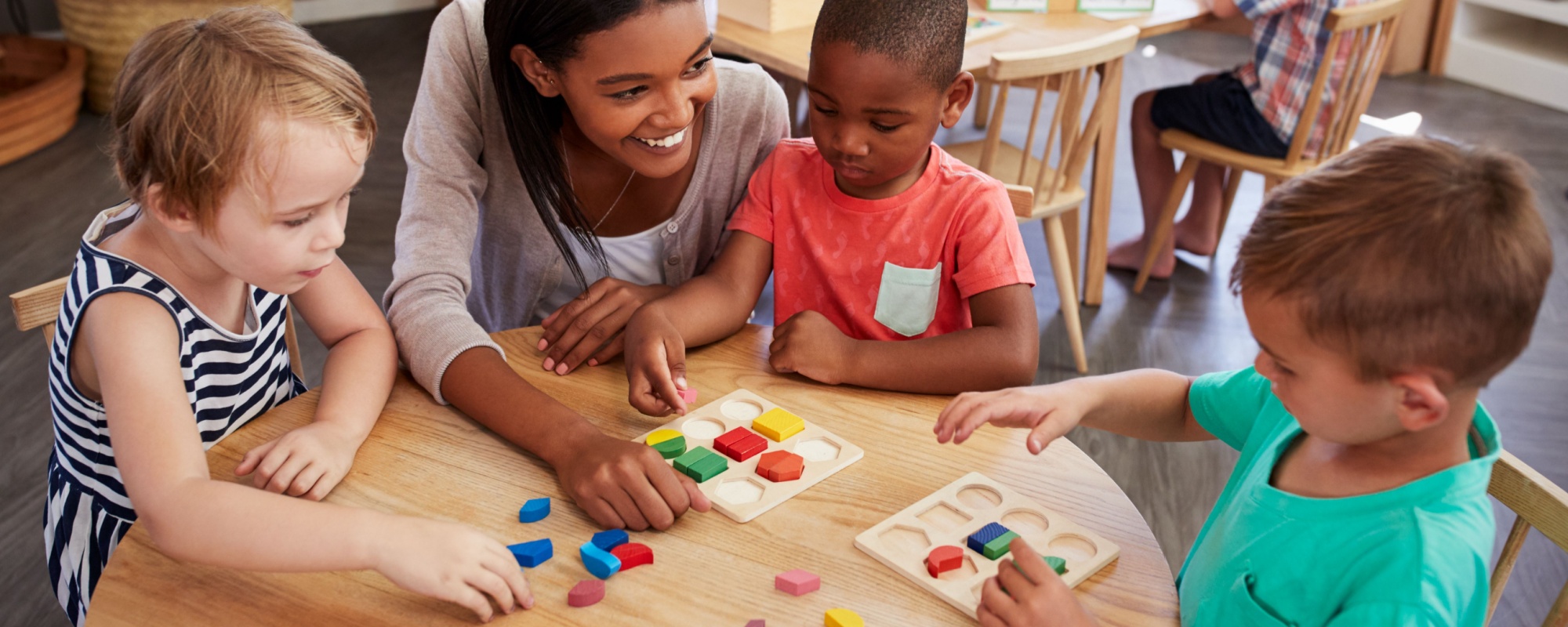
Most preschools employ a play-based philosophy, which originated with Friedrich Fröbel. According to this philosophy, play is not merely enjoyable but essential for children. Through play, children develop social abilities, experiment with concepts, and process emotions. Several preschool programs arrange classrooms with blocks, art, and music, allowing children to wander and select. This setup enables them to develop confidence and discover their learning styles.
Other preschools rely on child-led learning, inspired by Loris Malaguzzi’s philosophy. Here, educators observe kids and draw from what they adore as a jumping-off point for lessons. For instance, if a child loves animals, the teacher could use animal tales, images, and play to instruct. This approach keeps kids engaged and helps them learn deeply.
A multi-sensory approach, from Howard Gardner’s theory, teaches children in several different ways. Some like to touch, some like to hear, and some like to move. Preschools with this perspective employ music, art, manual labor, and play work to connect with every child. This provides each kid an opportunity to flourish.
Holistic education, such as the Reggio Emilia model, examines the whole child. Schools following this approach integrate intellect, physicality, and emotion, often combining art, nature, and communal discussions. This comprehensive child development assists children in growing in all dimensions, not just academically.
Montessori schools empower children to choose their work and proceed at their own pace. This model emphasizes direct action, discipline, and autodidacticism. In contrast, Waldorf schools blend art, play, and nature with structured rhythms and storytelling.
When visiting potential preschools, inquire of the staff how their philosophies manifest in day-to-day activities. Observe how they direct play, arrange rooms, and interact with children, ensuring that the school’s philosophy aligns with what you desire for your child's educational journey.
What To Observe During A Tour
A preschool tour isn’t just a glance, but it’s a chance to gather specific information about quality preschool options where your little one may spend their early learning journey. Focus on your impressions as you explore the preschool environment, paying attention not just to what you observe, but also to how it feels and functions.
Classroom Atmosphere
A classroom should ignite enthusiasm in children. Observe if there are books within reach, art supplies strewn about, or sensory bins. All of these things indicate children are prompted to investigate and be hands-on. There should be small tables available for group work, an open space, and shelves at child level. Vibrant posters, gentle lighting, and a combination of hushed nooks and lively areas really establish a cozy vibe. Ask to review a sample daily schedule. Maintaining a routine gives kids a sense of stability and security.
Child Interactions
Observe how children communicate and engage in play within a quality preschool environment. You want to witness kids sharing, working out problems, or supporting one another. If a dispute arises, see if teachers in the preschool program intervene with soothing phrases and assist children in resolving it. It's essential to notice that every child feels welcome, regardless of background, as educators softly lead them to cooperate, share, and form bonds.
Outdoor Space
Go outside and seek out strong fences, safe surfaces, and equipment that accommodates little hands and feet. The best yards at a quality preschool offer more than swings: climbing frames, sand or water tables, and shaded spots. Inquire whether outdoor time is incorporated into the schedule and how it connects to the day’s themes. Active play outside should include a combination of free play and group games, providing children with room to run and opportunities to explore nature, such as a mini garden or bug hunt, enhancing their learning experiences.
Teacher Engagement
Teachers at quality preschool programs should kneel to talk to kids at eye level, join games, and provide patient answers. They should observe whether children appear cheerful, energetic, and willing to assist, checking in with every kid, not just the rowdiest. Inquiring how they inform parents and facilitate transitions, such as drop-off or new students, is essential. Passionate educators help children feel secure during this transition and encourage curiosity about the world.
The Unspoken Curriculum
The unspoken curriculum in preschools is everything that kids figure out outside of the lesson plan, like how to cope with emotions, resolve conflicts, or provide self-care. They imprint on your child’s social and emotional development, frequently more indelibly than formal activities. Researchers say this unspoken layer can both help and harm a child’s sense of self and regard for others. Teachers, occasionally unintentionally, demonstrate what counts through their own behavior and classroom policies. Policies, routines, and even micro daily decisions all broadcast strong messages about values, about membership, and about anticipation. For preschool families, recognizing and witnessing this unspoken curriculum is crucial for selecting a nurturing, developmentally supportive environment.
Checklist: Unspoken Curriculum in Preschool
- How do teachers address conflicts and direct children to resolve them?
- Are there routines that help kids build independence?
- Do staff model empathy and respect in daily interactions?
- What kinds of unspoken values and norms are present?
- How are life skills such as time management or resilience promoted?
- Are all children included and valued for their backgrounds?
Emotional Intelligence
Emotional intelligence is formed by the way children observe and mimic adults at quality preschool. Even better preschool programs allow kids to discuss their emotions, not only in dedicated classes but throughout the day. Teachers who exhibit calm, patience, and kindness teach empathy by example. Other schools use books, group chats, or role-play to assist children in naming and managing emotions. You could come across a teacher kneeling to a crying student’s level, assisting her to say, “I’m feeling blue,” not merely to cease mischief. When these skills are integrated into habits, children grow to trust their emotions and honor those of others, cultivating a foundation for healthy interpersonal connections.
Conflict Resolution
Teachers play a crucial role in how kids learn to manage conflicts within a quality preschool environment. The best preschool programs don’t come in and ‘fix’ everything, but rather lead children to converse, listen, and discover answers on their own. You may see educators prompting with questions: “What happened?” or “How can we solve this together?” Certain preschools have found a way to gamify or mythologize the problem-solving process. When conflicts arise, teachers assist kids in employing words rather than fists, fostering a rounded curriculum that develops an equitable classroom where children feel comfortable expressing themselves.
Independence Skills
Independence expands when kids are trusted to do little things in a quality preschool environment. Nice preschools encourage children to choose what to play, clean up, or assist with snack time, fostering a rounded curriculum. Rituals such as hanging up coats or washing hands independently help develop pride and responsibility, preparing them for their educational journey and the next phases of school and life.
How They Communicate
Transparent communication between parents and preschool staff is essential for a child’s development, especially in a quality preschool environment. Parents need to know what happens each day, how their child behaves, and if there are any issues up front. Trust develops when both parties communicate truthfully and transparently. This makes the child feel secure and allows parents to aid in their child’s development through an engaging preschool program.
- Staff will provide families with daily schedules, class news, and meal information.
- Parents receive updates via in-person conversations, phone calls, emails, or apps.
- Updates on a child’s disposition, meals, and lessons keep parents in the know.
- Teachers should be happy to meet in person or online when parents want to talk more.
- Rapid notification of any health or safety concern is critical.
- They have to provide parents with a way to communicate by phone, email, or a chat app to ask questions or express concerns.
When searching for the right preschools, find those that provide frequent updates on your child’s life there. For instance, some schools text you a summary of what your kid did, ate, or created each day. Others use apps that monitor nap times, meals, play, and even pictures of class work. This keeps you in touch with your child’s day, even if you can’t be there, ensuring a strong connection with the early learning center experience. If an elementary school sends news once a month, you might miss little indicators of a shift or concern, so good schools will inform you immediately if your child is ill or upset.
How feedback is given is critical in your search for potential preschools. A good preschool will arrange for you to meet the teacher in person. These conversations allow you to listen to your child’s development, talents, and areas to support at home. While some schools use report cards or electronic notes, a real talk can assist more than a note. See if you can contact teachers beyond those hours to foster a deeper connection.
Finally, check if the staff are accessible and willing to speak. Certain schools allow you to contact them via call or email anytime, while others use a parent app for quick chatting. When you can contact personnel in multiple ways, you relax and can help identify problems earlier, enhancing the overall educational journey of your child. Good two-way communication implies that you can share home news as well, assisting teachers in planning better for your child.
Trust Your Parental Instinct
Selecting a quality preschool is a huge milestone for any family, and it is understandable to feel pressured to make the correct decision. Parental instinct is more than just a gut feeling, but it is a weapon forged from your understanding of your child and your own values. As you tour various preschool programs, pay attention to your initial reactions and gut responses. If you feel like a place is safe, warm, and open, this response counts. If you sense unease or skepticism, it is worth listening to, even if everything appears fine on the surface.
No preschool is right for every family, but it has to work for your family! This means looking beyond the campus or the courses offered. Pay attention to how the staff addresses you and your child, how they respond to questions, and whether they honor your opinions. Observe how teachers manage circle time, playtime, and discipline. Some preschool programs are academically rigorous, while others emphasize social skill development or unstructured playtime. Your child and your own personal instincts will guide you toward what is right. For instance, if your child is shy, you might seek out a program with smaller groups and softer teachers. If your family loves outdoor play, check to see if the preschool has room for this and incorporates it into their daily routine.
Trust your instinct about the teachers’ ability to relate to your child. Observe their interactions, how they greet kids, if they listen well, and if they get down to a child’s level to talk. Teachers who know how to build trust and provide firm, yet clear and calm limits help kids feel safe and open to learning. Be on the lookout for red flags, such as staff who appear hurried or inattentive, or insufficient adults for the size of the group. Bad communication from the staff or fuzzy rules can be indicators that a program won’t be up to snuff.
Feeling comfortable with a preschool is crucial. If you feel welcome and respected, your child will likely feel this as well. If you leave a visit feeling uncertain, trust that instinct. When you feel comfortable and trust the preschool environment, it helps your child develop a positive school experience.
Final Remarks
To select a preschool, see how the teachers communicate with and behave toward children. Check whether the space seems clean and safe. Inquire about the daily schedule and snacks. Examine the toys and books. Raise your own questions. Hear how personnel respond. Trust your eyes and ears. Chat with a parent whose child attends, if possible. Your gut matters too. Quality preschools care, communicate with parents, and invite visits. To assist your child, search for an environment that honors children and makes them feel recognized. Get an early start, take a visit or two, and chat with the employees. Stay open and just ask what is important for your child. Your selection can influence these formative years.
Frequently Asked Questions
1. What Are The Most Important Factors When Choosing A Preschool?
Safety, credentialed teachers, a hygienic environment, and a balanced curriculum are crucial in quality preschool programs that nurture social, emotional, and cognitive development.
2. Why Do Learning Philosophies Matter In Preschools?
Learning philosophies direct the manner in which children are educated in quality preschool programs. Choose a philosophy that aligns with your values and your child's learning style.
3. What Should I Observe During A Preschool Tour?
Observe classroom cleanliness, teacher-student relationships, and the learning materials at quality preschool facilities. A warm and inviting preschool environment is a good sign.
4. What Is The "Unspoken Curriculum" In Preschools?
The 'unspoken curriculum' at quality preschool programs explains how kids pick up social skills, values, and problem-solving by observing daily routines and teacher behavior.
5. How Do Preschools Communicate With Parents?
Regular updates, meetings, and progress reports from your child's quality preschool help develop trust and transparency in their educational journey.
Take The First Step Toward A Brighter Beginning
Ready to learn how Montessori philosophy shapes early education? Whether you’re just getting familiar with the approach or considering enrollment, we invite you to experience Fountainhead Montessori in person. Our campuses in Danville and Livermore offer toddler-through-preschool programs grounded in hands-on learning, independence, and respect for each child’s natural development, with optional before- and after-care for busy families.
Click below to schedule a personal tour, download our free parent guide, or review our transparent tuition rates. Have questions along the way? Our admissions team is here to help you decide if Montessori is the right foundation for your child’s early years.





Let us know what you think about this post
Put your Comment Below: